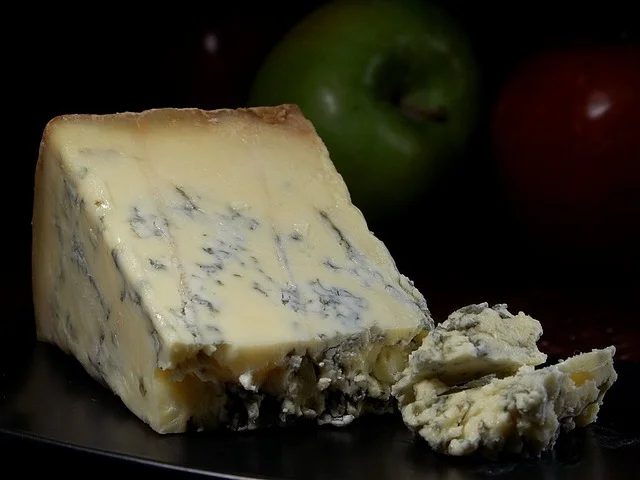
What is Ser koryciński swojski?
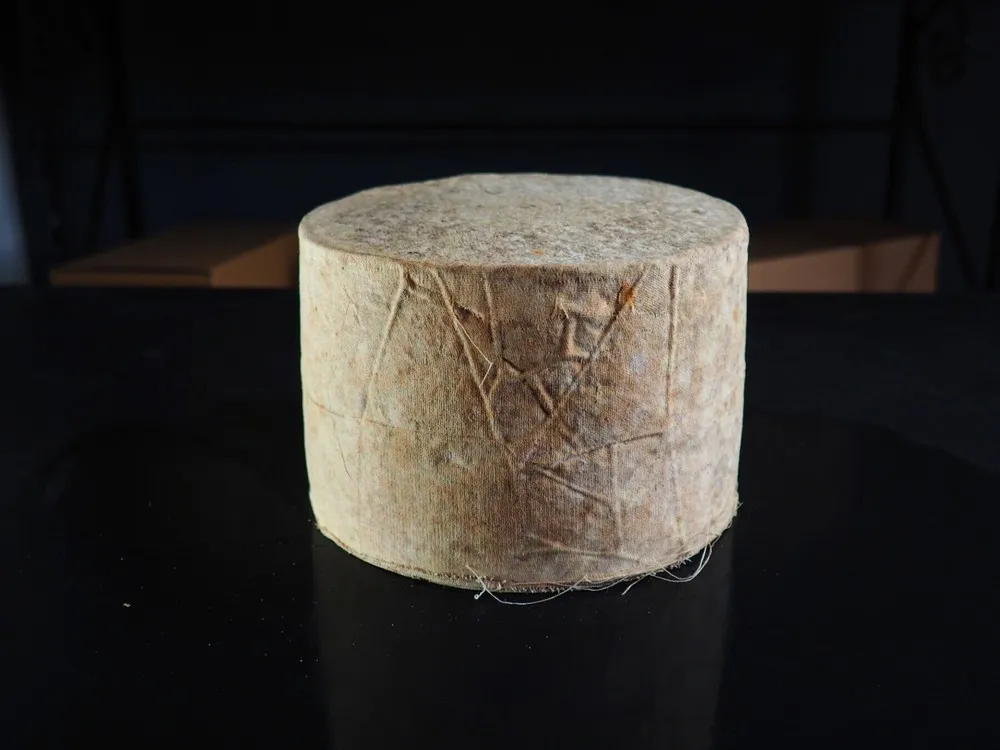
An ancient cream-coloured cheese from the Korycin area of northeastern Poland, made from raw cow’s milk and shaped in traditional strainers that leave a characteristic imprint on the surface. Available plain or with additions such as garlic, caraway, wild thyme, hot pepper, fenugreek, or nettle. Elastic, moist, and porous.
Taste, aroma, and texture
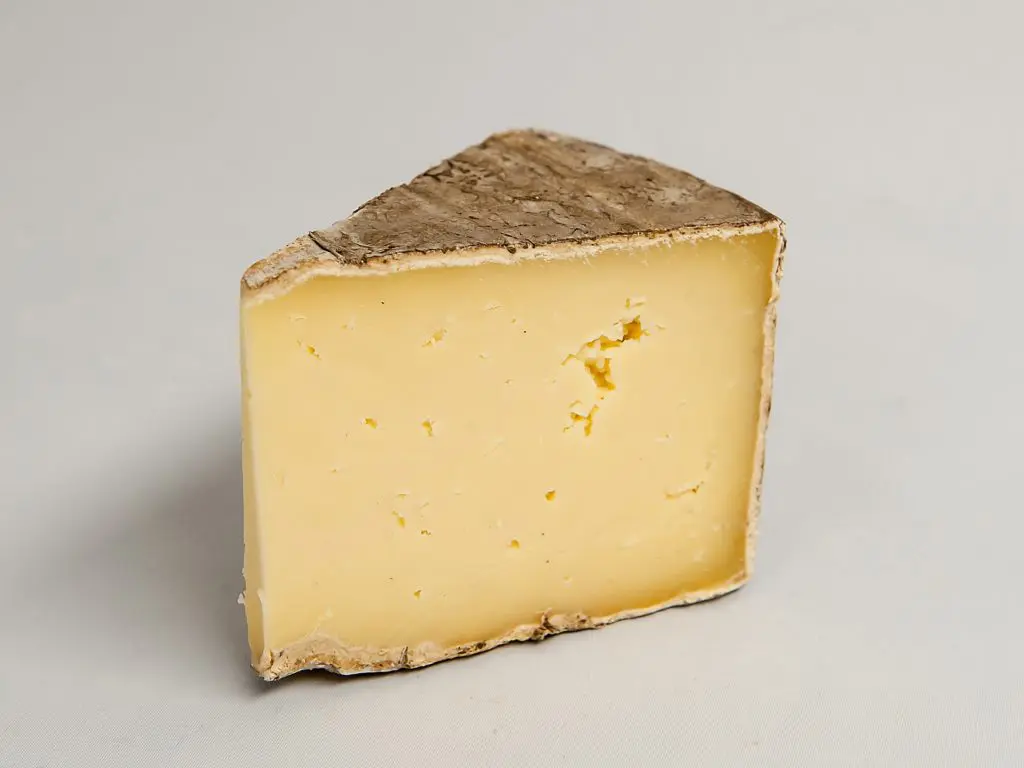
Elastic, moist, and porous, with numerous small eyes throughout. The fresh version is soft and supple; the matured version becomes firmer and slightly drier. The strainer imprint on the surface is the key visual feature. Colour ranges from cream to pale yellow.
Lactic notes are dominant, with clean raw cow’s milk character. Earthy notes are noticeable, and animal notes are present. In the plain version, fruity and herbal notes remain faint; spiced versions are shaped by the added ingredient, such as garlic, caraway, or thyme. No smoky character.
Cheesepedia taste profile
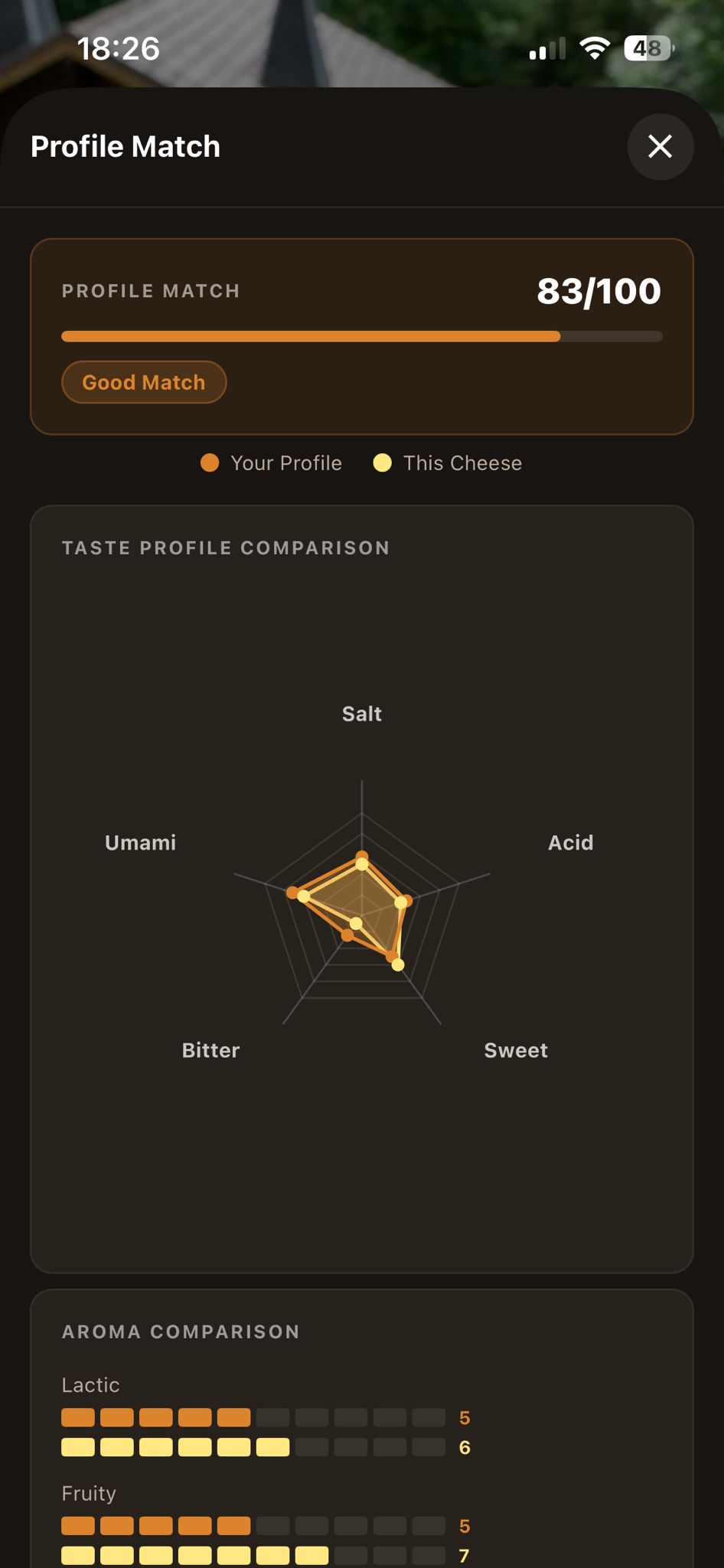
The values below are the structured baseline in the Cheesepedia app. Your personal match is calculated separately from your own taste profile.
A general profile can describe Ser koryciński swojski, but it cannot know how closely the cheese fits your preferences. Cheesepedia Premium compares this profile with your personal taste profile and lets you evaluate cheeses side by side.
See your personal matchHow to enjoy it
- Sliced into breakfast plates, sandwiches, or cold appetisers.
- Added to salads, vegetable platters, or rustic snack boards.
- Used in baked dishes, omelettes, or savoury pancakes.
What pairs with Ser koryciński swojski?
Classic serving companions from the Cheesepedia catalog.
- Fresh Rye Bread
- Polish Pickled Cucumbers
- Dark Porter Beer
- Raw Onion Slices
- Hot Boiled Potatoes
Find the right wine in Cheesepedia
Cheesepedia uses an expert-designed algorithm that compares the cheese's taste, intensity, and production profile with the wine's body, acidity, tannin, and sweetness. Wine pairings are not generated by AI.
See wine pairings for Ser koryciński swojskiStory and origin
According to legend, the technique was introduced to Poland in the mid-17th century by Swiss soldiers during the Polish-Swedish War, known as the Deluge. Over the centuries, it became deeply rooted in the culinary heritage of northeastern Poland. The variety of additions reflects the region’s agricultural diversity. It has held PGI status since 2009.
Storage and serving
- Store in the fridge, in brine or sealed packaging.
- Air travel: suitable only in leak-proof packaging.
Profile sources and methodology
This page uses the same curated record as the Cheesepedia mobile app. Production-style and designation references provide context; they do not imply endorsement of Cheesepedia.