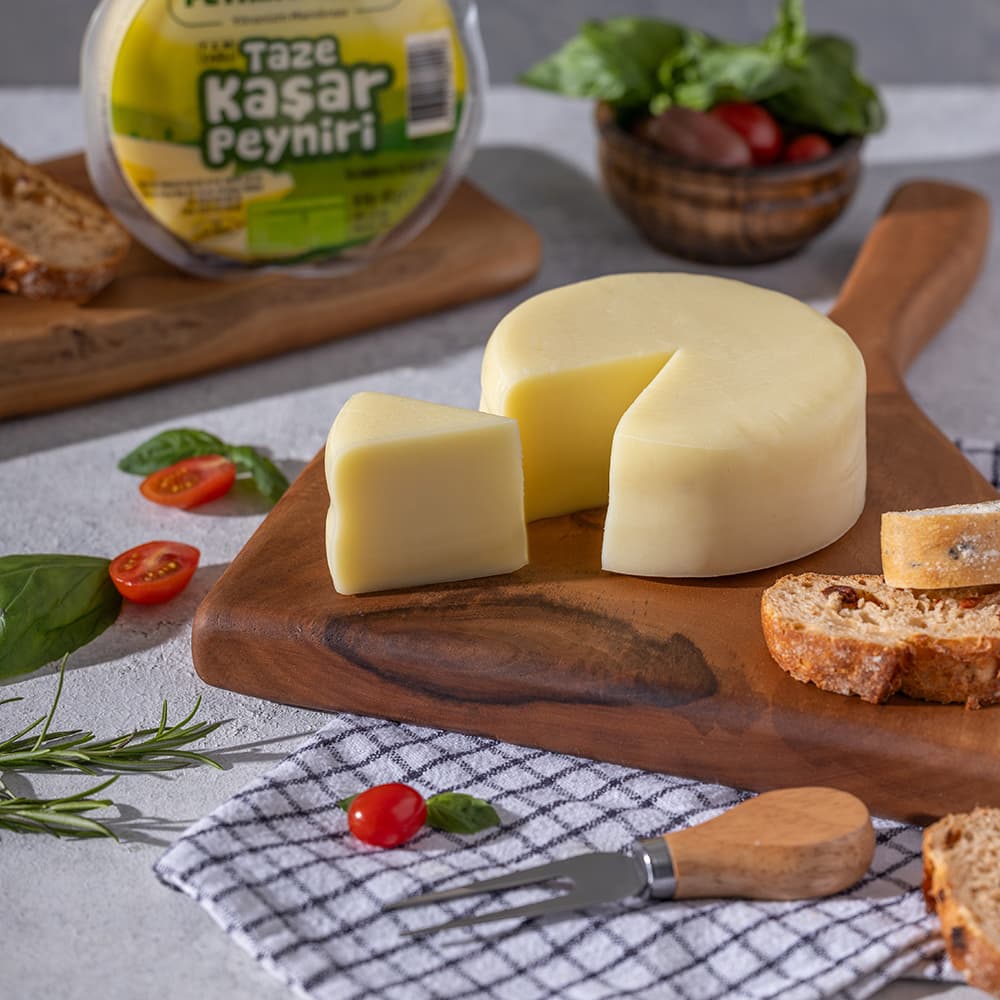
What is Taze Kaşar Peyniri?
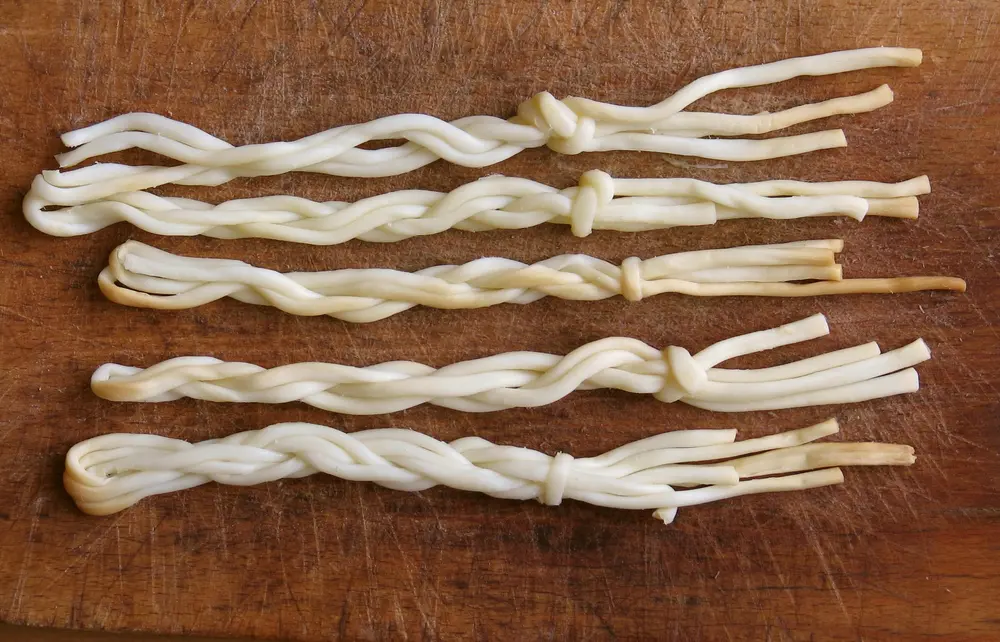
A fresh hot-stretched cheese produced across Turkey from cow’s milk. Made by kneading hot curd in hot water; the same process as aged kaşar, but consumed young before extended ageing. Semi-hard, homogeneous, and smooth. Widely used in Turkish cuisine for grilling, toast, and börek. Industrial product with no geographical indication status.
Taste, aroma, and texture
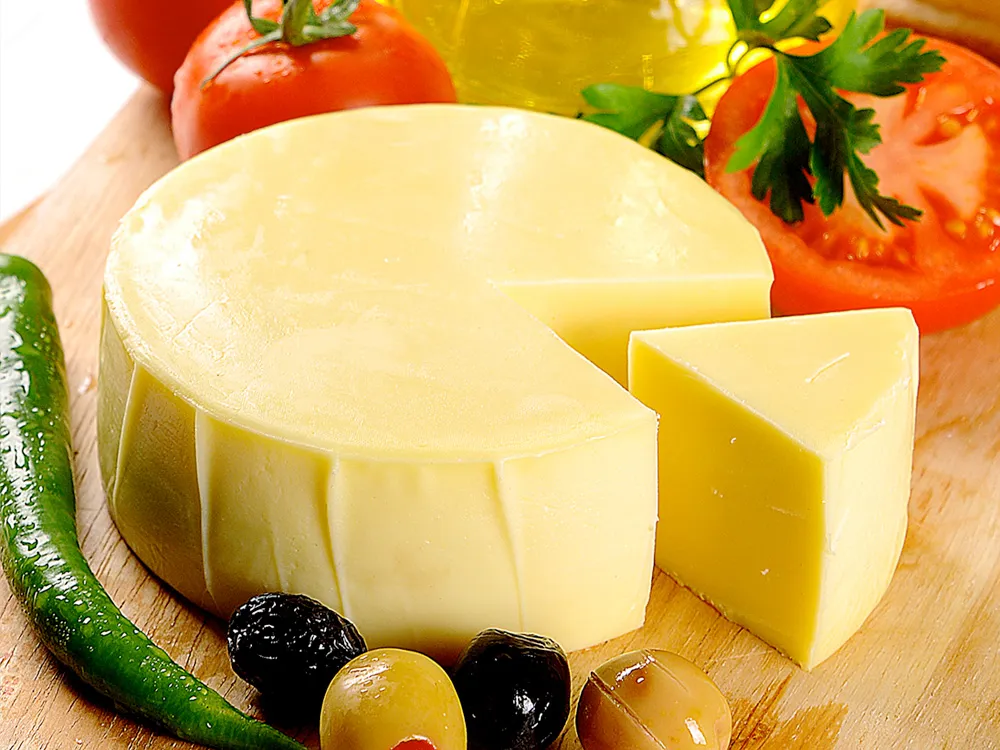
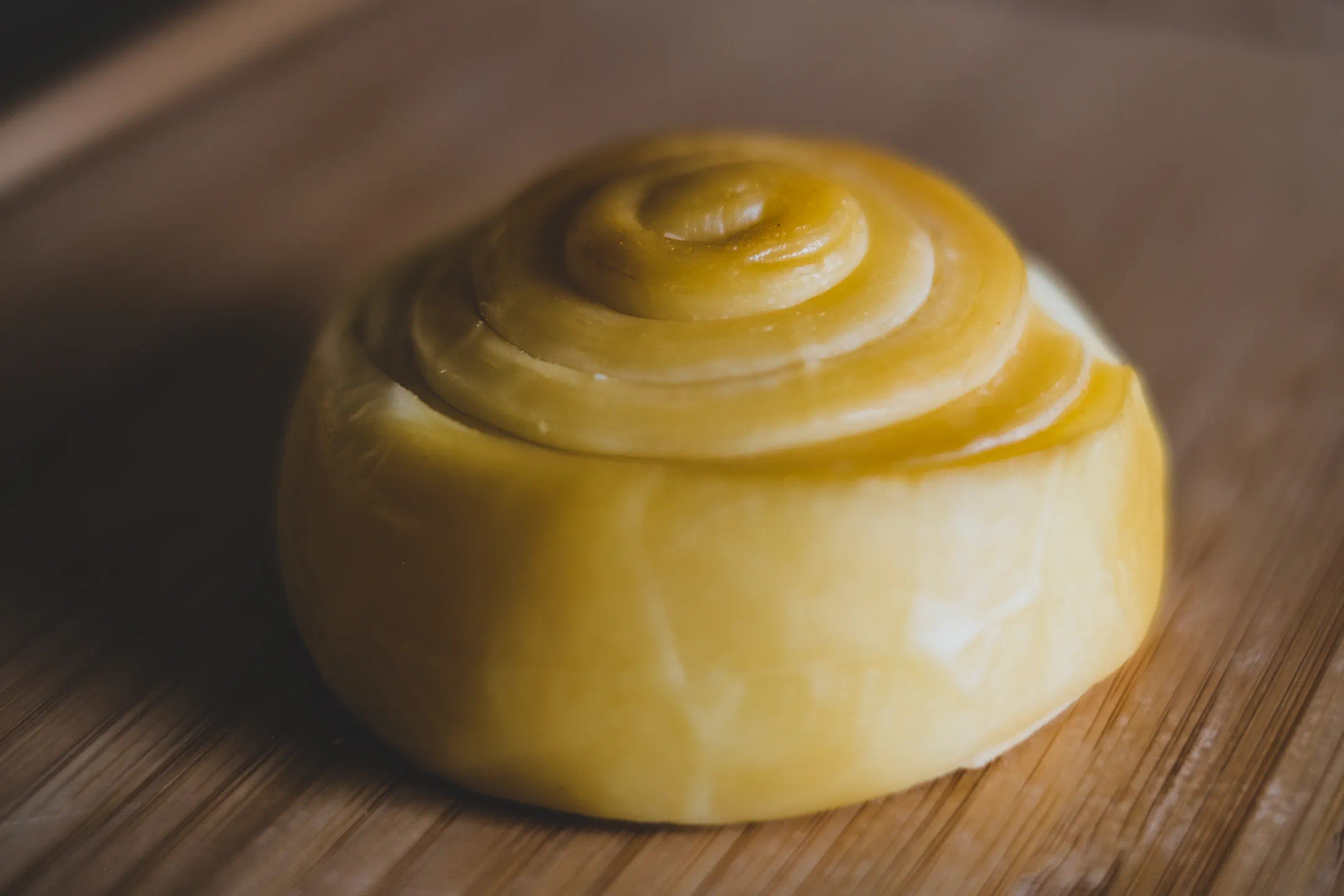
Semi-hard, homogeneous, and smooth. Slices cleanly and becomes elastic and stretchy when melted. Pale straw-yellow interior. No rind, or only a thin natural surface.
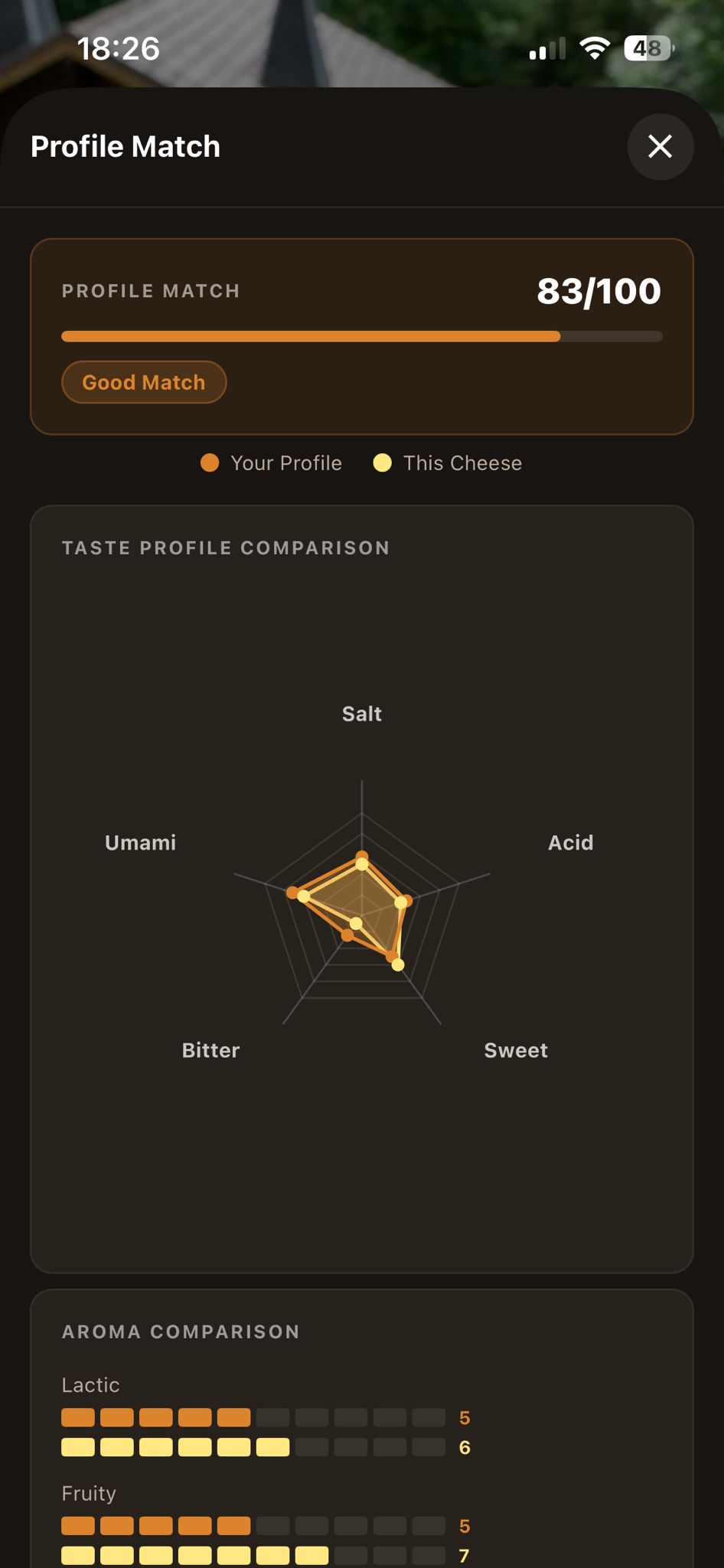
Lactic notes are strongly dominant; fresh and milky, with light cooked-milk warmth. Fruity notes are present. Animal, earthy, herbal, and smoky notes are barely detectable.
Cheesepedia taste profile
The values below are the structured baseline in the Cheesepedia app. Your personal match is calculated separately from your own taste profile.
A general profile can describe Taze Kaşar Peyniri, but it cannot know how closely the cheese fits your preferences. Cheesepedia Premium compares this profile with your personal taste profile and lets you evaluate cheeses side by side.
See your personal matchHow to enjoy it
- Melted into toasties, flatbreads, or baked sandwiches.
- Used on pizza, börek, or simple baked dishes.
- Sliced into breakfast plates, sandwiches, or snack boards.
What pairs with Taze Kaşar Peyniri?
Classic serving companions from the Cheesepedia catalog.
- Salted Cracker
- Butter Cracker
- Mini Sesame Bagel
- Whole Wheat Cracker
- Breadstick
Find the right wine in Cheesepedia
Cheesepedia uses an expert-designed algorithm that compares the cheese's taste, intensity, and production profile with the wine's body, acidity, tannin, and sweetness. Wine pairings are not generated by AI.
See wine pairings for Taze Kaşar PeyniriStory and origin
A hot-stretched cheese in the kaşar family, produced by kneading curd in hot water. While traditionally made from sheep’s milk, the modern industrial version uses predominantly cow’s milk. It has been consumed fresh in Anatolia for generations and remains one of the most widely used cheeses in daily Turkish cooking.
Storage and serving
- Store in the fridge, sealed or in an airtight container.
- Air travel: not ideal; suitable only if sealed and kept cool.
Profile sources and methodology
This page uses the same curated record as the Cheesepedia mobile app. Production-style and designation references provide context; they do not imply endorsement of Cheesepedia.