What is Küp / Çömlek Peyniri?
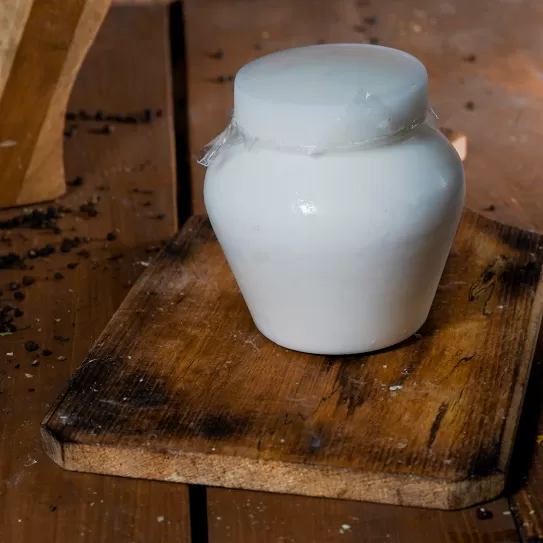
A pressed cheese aged in sealed earthenware pots or jugs across central and southern Turkey, made from cow, sheep, and/or goat milk. The sealed clay vessel creates an anaerobic environment that slowly transforms the cheese over months or years. Flavour intensity varies by milk type, salt level, and ageing duration. Traditional style with no geographical indication status.
Taste, aroma, and texture
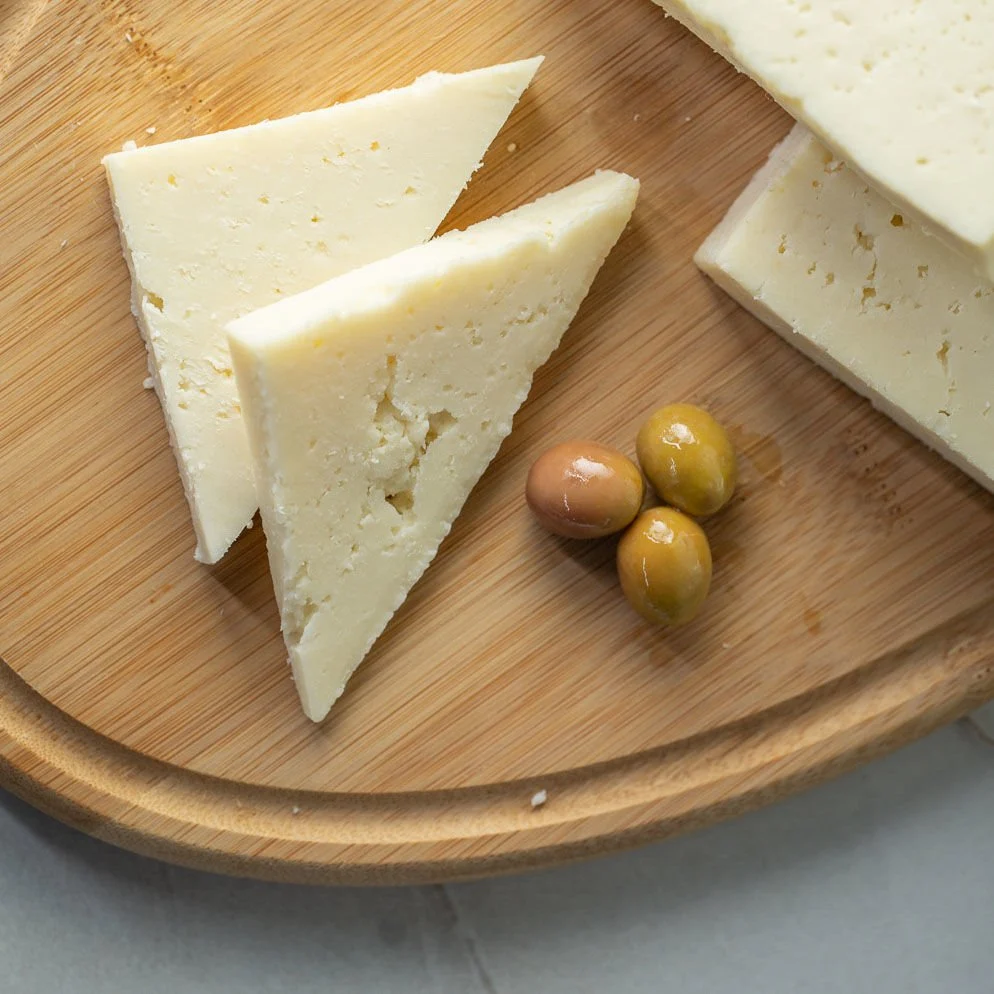
Very dry, crumbly, and dense. The clay pot draws out moisture over months, leaving a tight, concentrated body. No rind. Breaks into irregular chunks.
Earthy notes are strongly dominant; aged cream, dried herbs, and a subtle mineral note from the clay define the profile. Animal and herbal notes are equally strongly present. Lactic and fruity notes are present. No smoky character.
Cheesepedia taste profile
The values below are the structured baseline in the Cheesepedia app. Your personal match is calculated separately from your own taste profile.
A general profile can describe Küp / Çömlek Peyniri, but it cannot know how closely the cheese fits your preferences. Cheesepedia Premium compares this profile with your personal taste profile and lets you evaluate cheeses side by side.
See your personal matchHow to enjoy it
- Served in small pieces on regional cheese plates.
- Crumbled over flatbreads, potatoes, or salads.
- Used in savoury pastries, meze plates, or rustic fillings.
What pairs with Küp / Çömlek Peyniri?
Classic serving companions from the Cheesepedia catalog.
- Butter Cracker
- Grissini
- Lavash Chips
- Salted Cracker
- Mini Sesame Bagel
Find the right wine in Cheesepedia
Cheesepedia uses an expert-designed algorithm that compares the cheese's taste, intensity, and production profile with the wine's body, acidity, tannin, and sweetness. Wine pairings are not generated by AI.
See wine pairings for Küp / Çömlek PeyniriStory and origin
One of Anatolia’s oldest cheese preservation methods, practised across central and southern Turkey for centuries. The sealed clay pot technique creates stable ageing conditions across varying climates, making it one of the region’s most widespread traditional cheese methods.
Storage and serving
- Store in the fridge, wrapped or vacuum-packed.
- Air travel: suitable, especially if vacuum-packed.
Profile sources and methodology
This page uses the same curated record as the Cheesepedia mobile app. Production-style and designation references provide context; they do not imply endorsement of Cheesepedia.