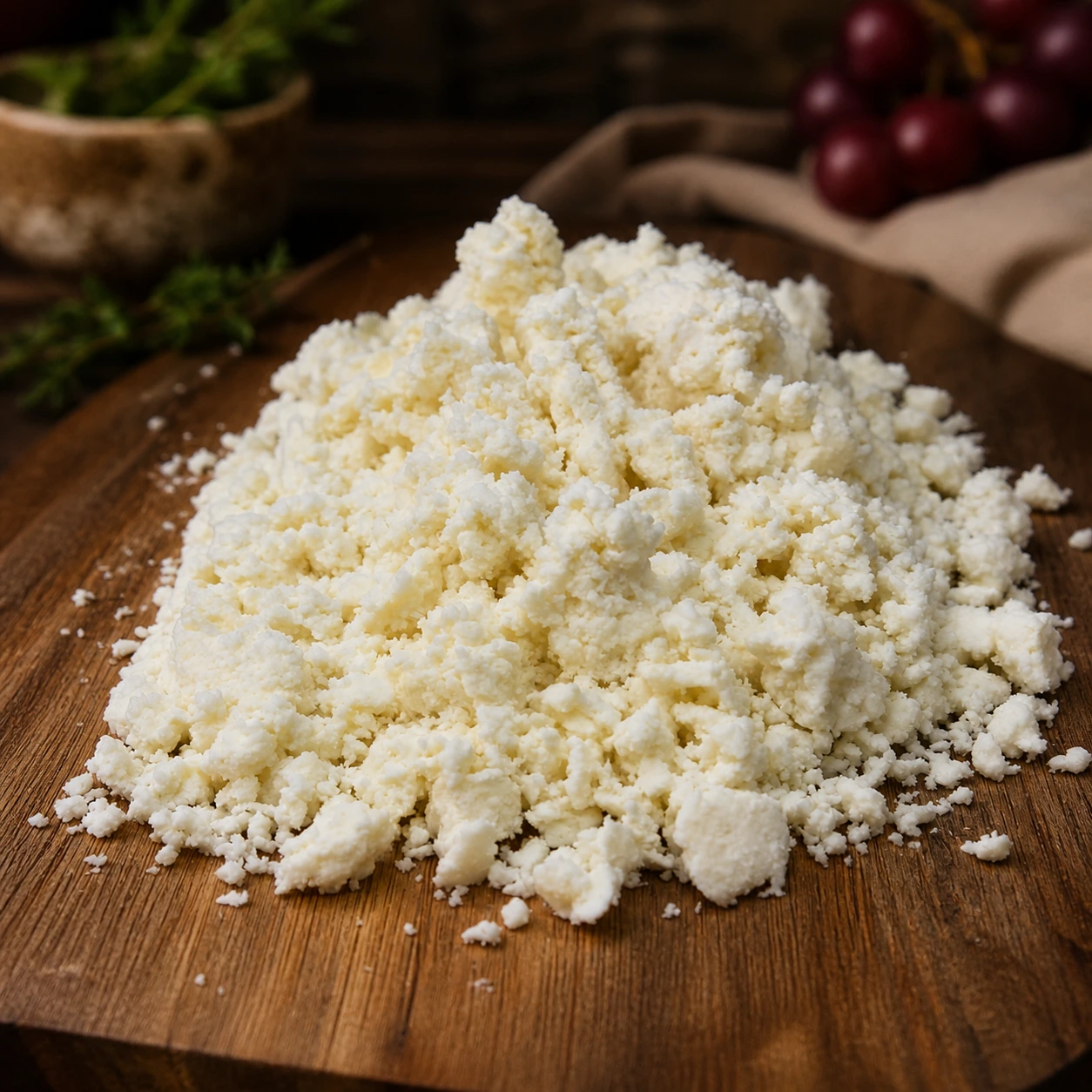
What is Çankırı Küpecik Peyniri?
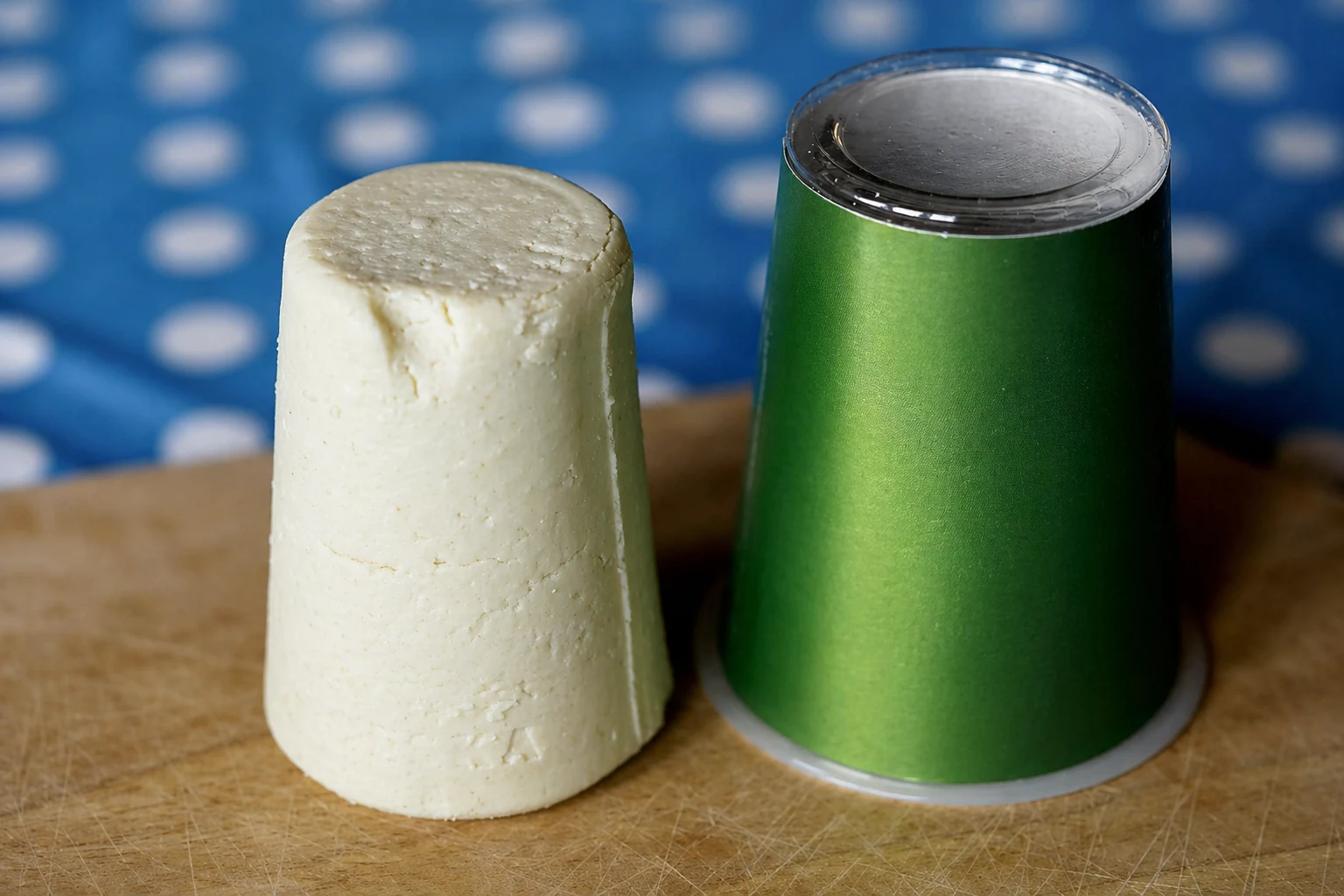
A village cheese from Çankırı, made from half-fat cow milk and aged buried upside down in sand inside glazed clay pots called küpecik. The pot mouth is covered with a cotton cloth and the pot is turned upside down, so whey drains naturally through the cloth. Rock salt and traditional methods have been passed down for generations.
Taste, aroma, and texture
Texture
Firm and slightly grainy, with a dense, compact body developed during the long underground rest. No true rind forms. Pale white to ivory. The inverted burial method creates a slightly tapered base where the cloth-covered pot mouth was.
Aroma
Earthy notes are strongly dominant; earthy and creamy-tangy, with mineral undertones from rock salt and damp clay ageing. Lactic and animal notes are present. Herbal and fruity notes are faint. No smoky character.
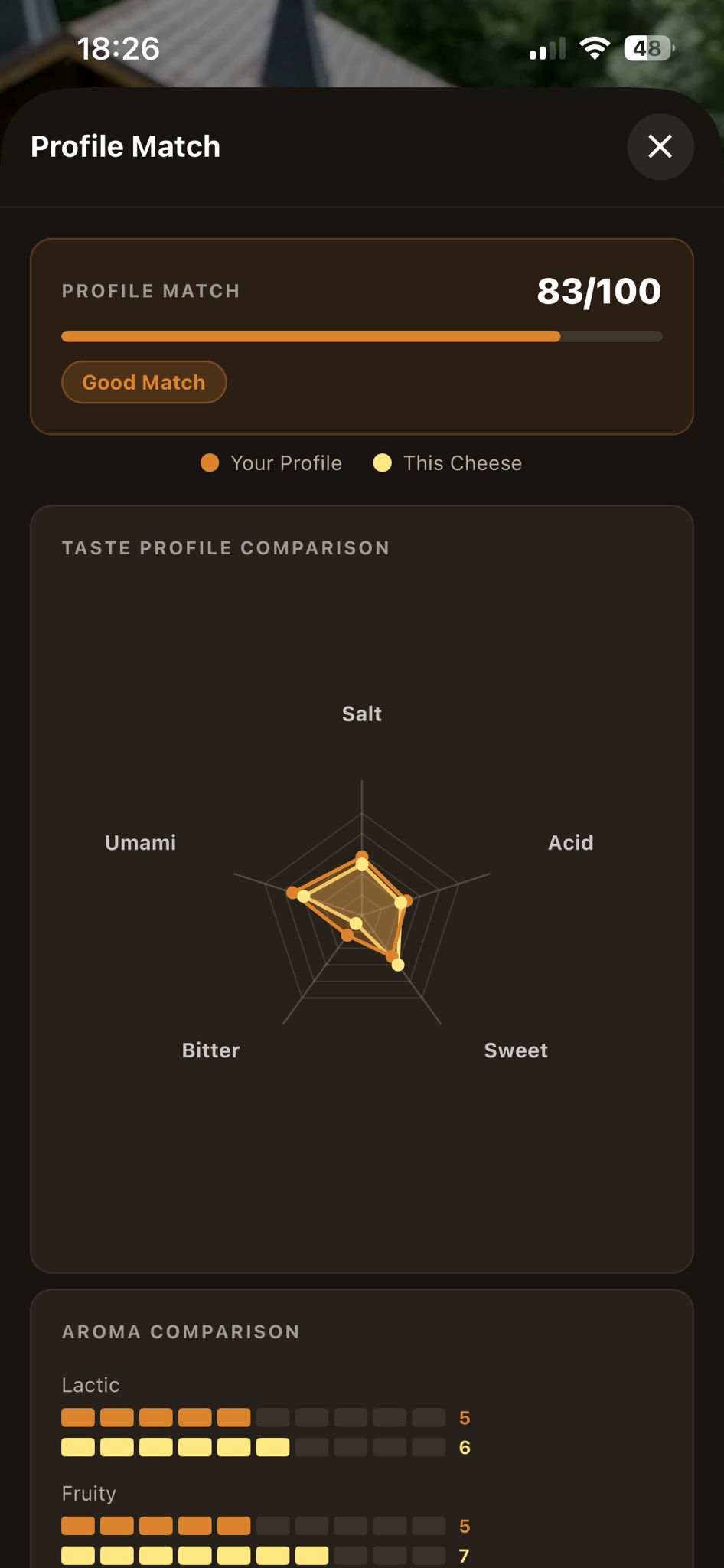
Cheesepedia taste profile
These values are the structured baseline in the Cheesepedia app. Your personal match is calculated separately from your own taste profile.
How to enjoy it
- 01
Served in small pieces on regional cheese plates.
- 02
Crumbled over flatbreads, potatoes, or salads.
- 03
Used in meze plates, savoury pastries, or rustic fillings.
What pairs with Çankırı Küpecik Peyniri?
Classic serving companions from the Cheesepedia catalog.
- Salted Cracker
- Rusks
- Mini Simit
- Bran Cracker
- Stick Cracker
Story and origin
A regional cheese produced in nearly every district of Çankırı. At the start of summer, neighbours in villages take turns combining their milk in süt evi cooperatives, forming a rotating community production system. Registered as a geographical indication in Turkey.
Storage and serving
- Store in the fridge, wrapped or vacuum-packed.
- Air travel: suitable, especially if vacuum-packed.
Profile sources and methodology
This page uses the same curated record as the Cheesepedia mobile app. Production-style and designation references provide context; they do not imply endorsement of Cheesepedia.