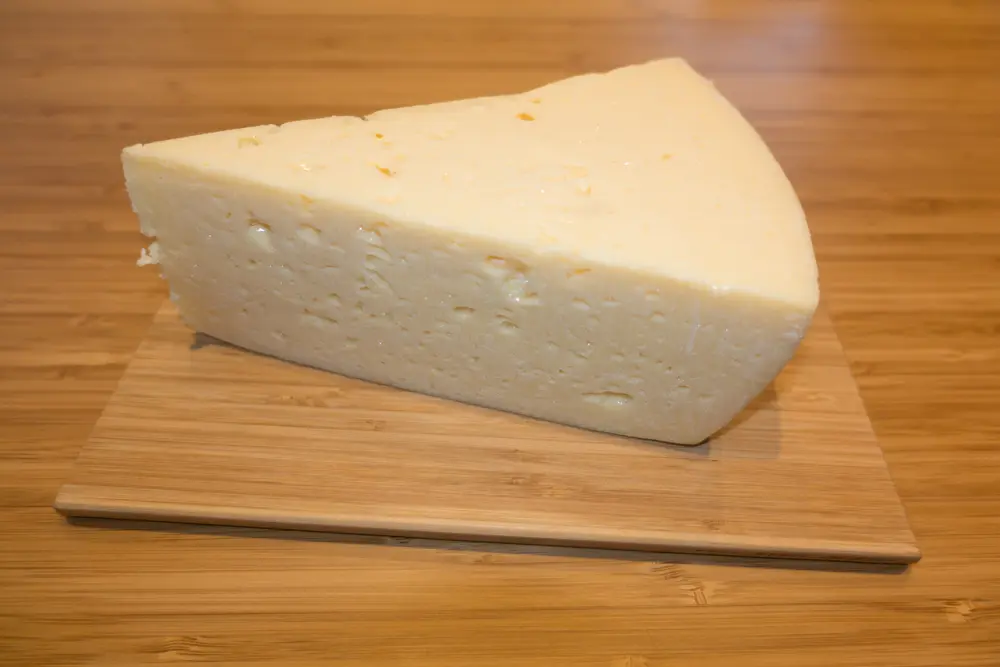
What is Svecia?
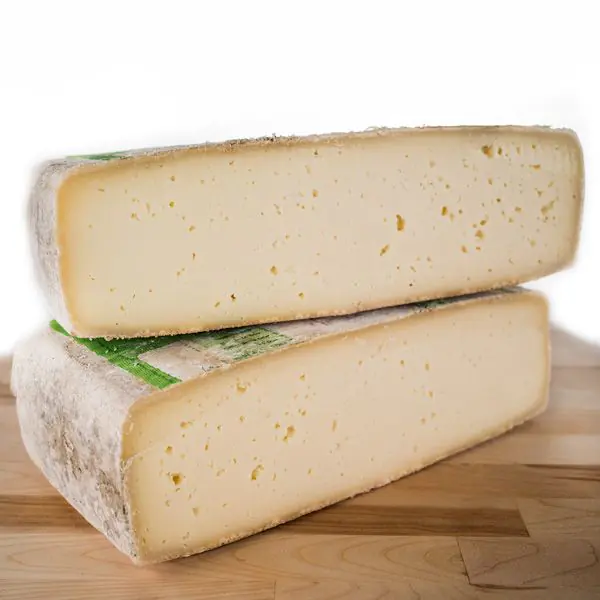
Sweden’s oldest and most representative hard cheese. Its name derives from Suecia, the Latin word for Sweden. A traditional semi-hard to hard pressed cow’s milk cheese, produced across Sweden and marked by numerous small, irregular holes. Aged for a minimum of 5 weeks; longer-aged versions develop a more complex, spicy character.
Taste, aroma, and texture
Hard, consistent, and easy to slice. Its defining feature is the many small, irregular holes distributed throughout the pale yellow paste. Natural rind. With extended ageing, it becomes drier and firmer. Produced in wheels of various sizes.
Lactic notes are strongly dominant — clean, fresh, and slightly acidic. Fruity notes are noticeable, while earthy and animal notes remain faint. Herbal and smoky notes are barely perceptible. With extended ageing, it becomes more complex and spicy, reflecting the cool climate and clean pastures of Swedish dairy farms.
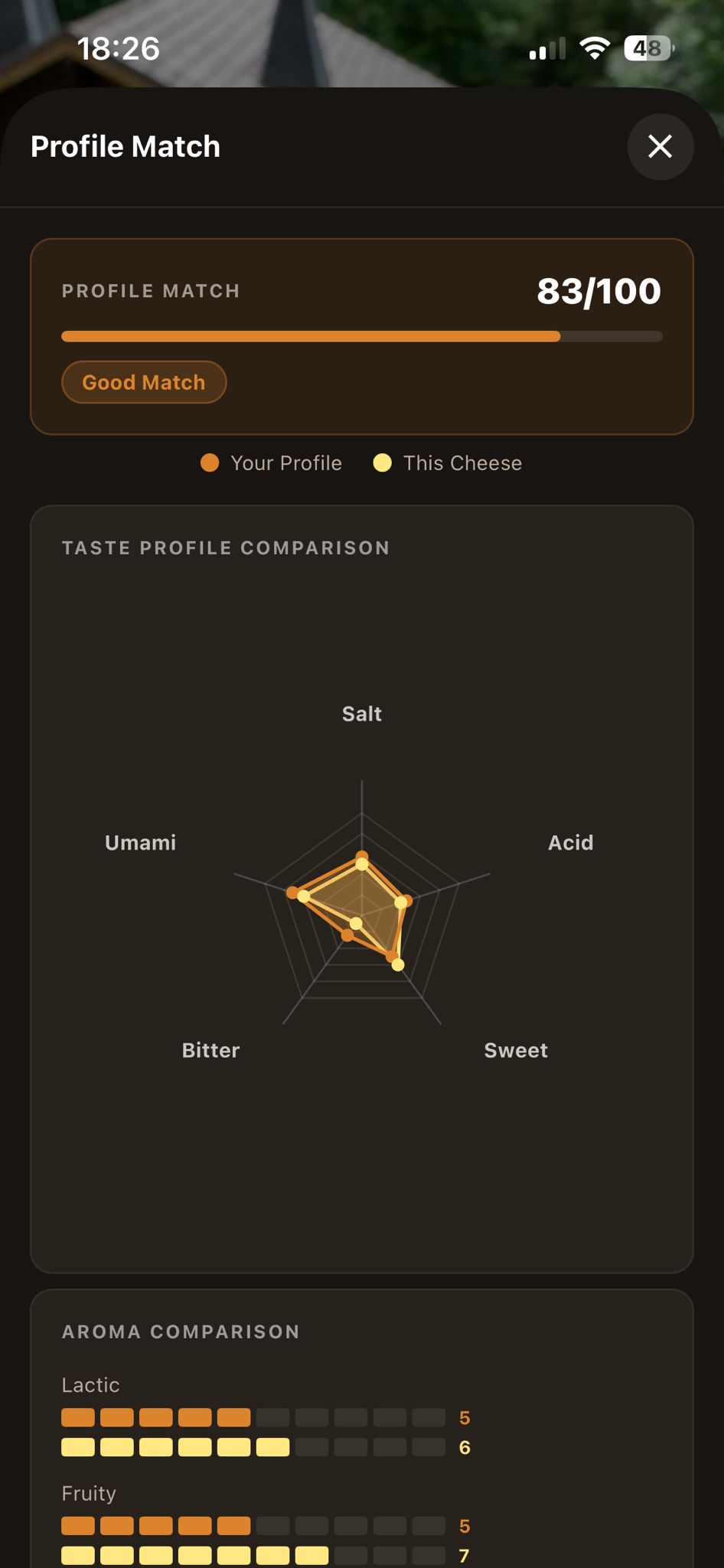
Cheesepedia taste profile
The values below are the structured baseline in the Cheesepedia app. Your personal match is calculated separately from your own taste profile.
A general profile can describe Svecia, but it cannot know how closely the cheese fits your preferences. Cheesepedia Premium compares this profile with your personal taste profile and lets you evaluate cheeses side by side.
See your personal matchHow to enjoy it
- Sliced into sandwiches, breakfast plates, or cheese boards.
- Melted into toasties, omelettes, or gratins.
- Grated over soups, potatoes, or baked dishes.
What pairs with Svecia?
Classic serving companions from the Cheesepedia catalog.
- Rustic Bread
- Black Olives
- Dark Floral Honey
- Walnuts
- Rye Crackers
Find the right wine in Cheesepedia
Cheesepedia uses an expert-designed algorithm that compares the cheese's taste, intensity, and production profile with the wine's body, acidity, tannin, and sweetness. Wine pairings are not generated by AI.
See wine pairings for SveciaStory and origin
Svecia’s origins date back to 13th-century Swedish monasteries, where cheesemaking techniques were first refined. For centuries, it was a staple in local households and an important part of Swedish dairy commerce. The name was formalised as a protected designation in 1996. It is one of the few Scandinavian cheeses with EU geographical indication status.
Storage and serving
- Store in the fridge, wrapped or vacuum-packed.
- Air travel: suitable, especially if vacuum-packed.
Profile sources and methodology
This page uses the same curated record as the Cheesepedia mobile app. Production-style and designation references provide context; they do not imply endorsement of Cheesepedia.