What is Fromage de Herve?
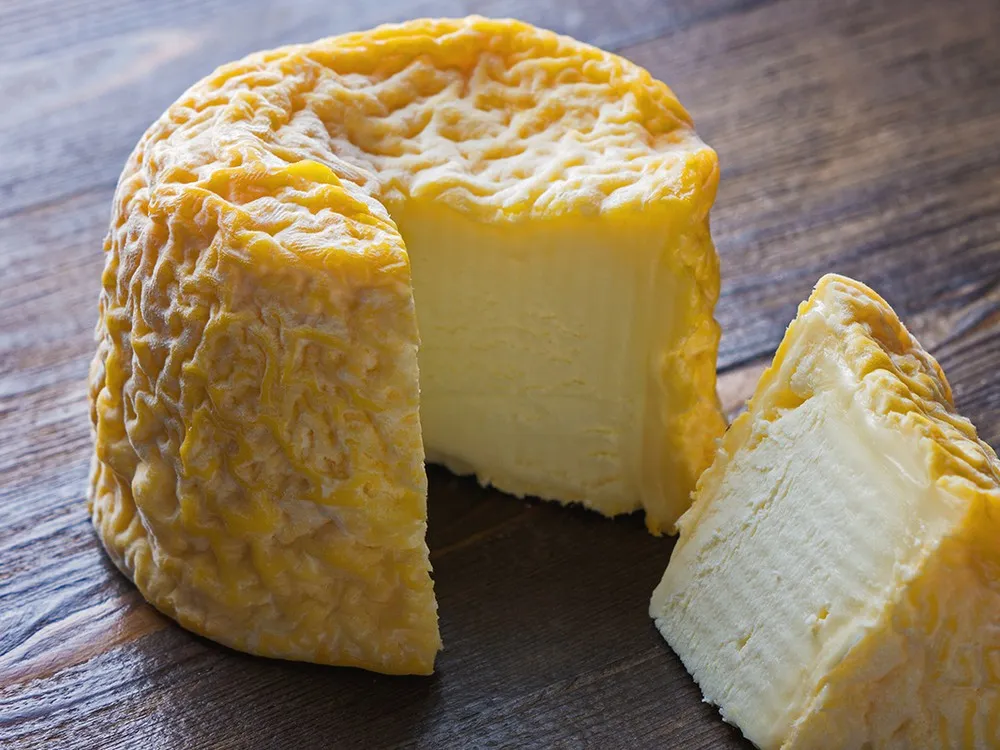
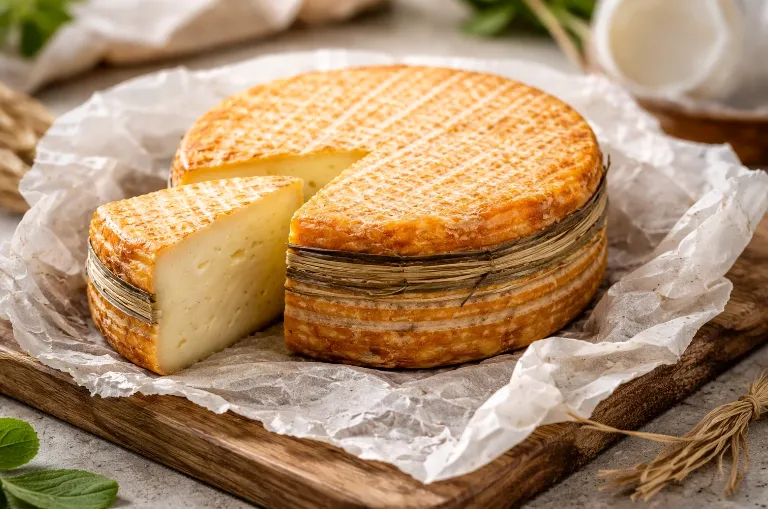
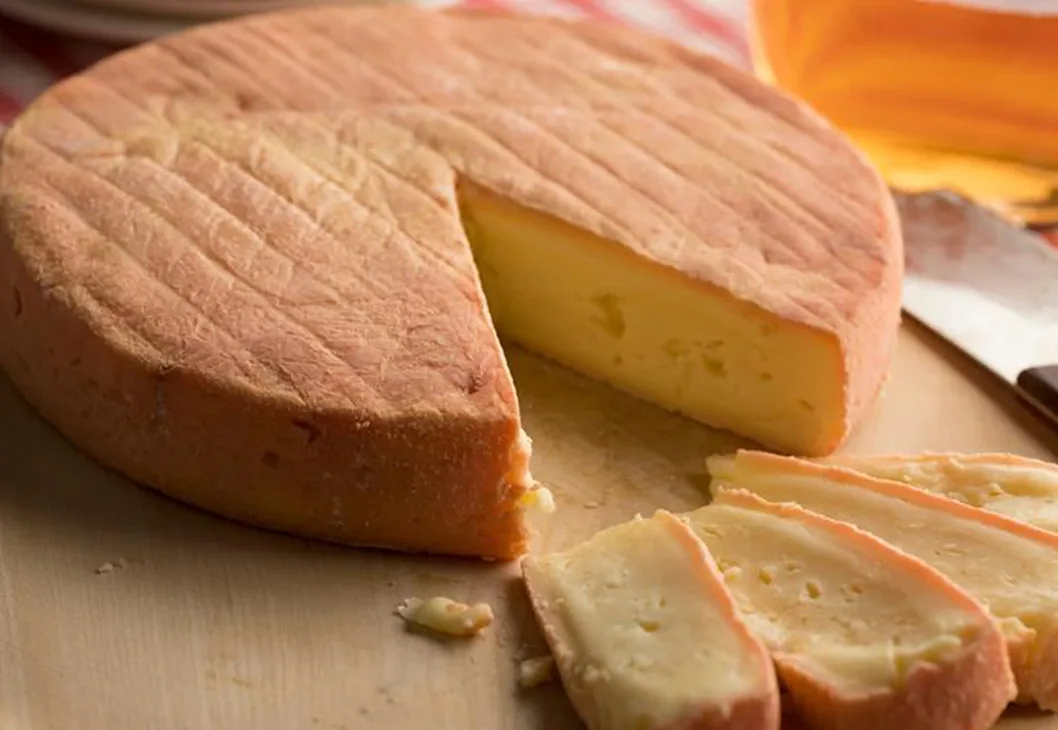
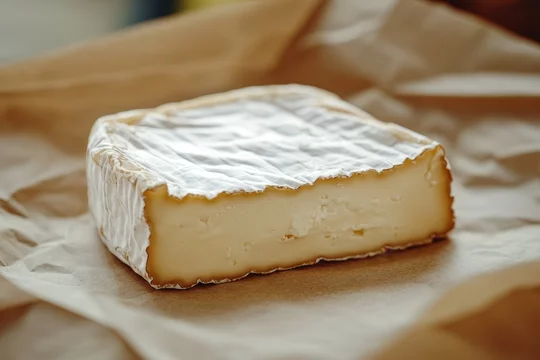
A soft washed-rind cow’s milk cheese from the Herve region of Belgium. Small square blocks develop a reddish-orange rind during ripening. The interior is soft and creamy, while the rind gives the cheese a strong, savoury character.
Taste, aroma, and texture
Soft and creamy with a slightly sticky washed rind. The interior becomes more yielding and almost spreadable as it ripens. Square form. Rind is reddish-orange to brownish and moist.
Dominated by an intense barnyard and farmyard character from the washed rind — among the strongest animal aromas in European cheeses. Earthy undertones appear in the background. No herbal, fruity, or smoky character.
Cheesepedia taste profile
The values below are the structured baseline in the Cheesepedia app. Your personal match is calculated separately from your own taste profile.
A general profile can describe Fromage de Herve, but it cannot know how closely the cheese fits your preferences. Cheesepedia Premium compares this profile with your personal taste profile and lets you evaluate cheeses side by side.
See your personal matchHow to enjoy it
- Served with rustic bread, apples, or pickles.
- Used in strong cheese boards for washed-rind flavour.
- Melted into sauces, gratins, or savoury tarts.
What pairs with Fromage de Herve?
Classic serving companions from the Cheesepedia catalog.
- Whole Wheat Cracker
- Butter Cracker
- Olive Cracker
- Salted Cracker
- Grissini
Find the right wine in Cheesepedia
Cheesepedia uses an expert-designed algorithm that compares the cheese's taste, intensity, and production profile with the wine's body, acidity, tannin, and sweetness. Wine pairings are not generated by AI.
See wine pairings for Fromage de HerveStory and origin
Fromage de Herve has been made in the Herve plateau for centuries, where humid cellars and rich pasture milk favoured washed-rind ripening. It became a regional farmhouse speciality and remains closely linked to the dairy culture of eastern Belgium.
Storage and serving
- Store in the fridge, wrapped and kept in a separate container.
- Air travel: suitable only if well sealed and kept cold.
Profile sources and methodology
This page uses the same curated record as the Cheesepedia mobile app. Production-style and designation references provide context; they do not imply endorsement of Cheesepedia.