What is Manouri?
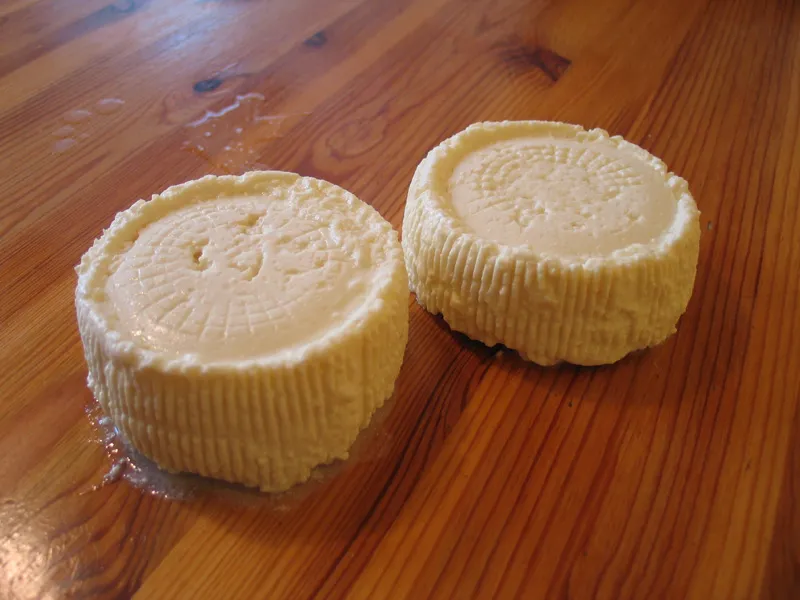
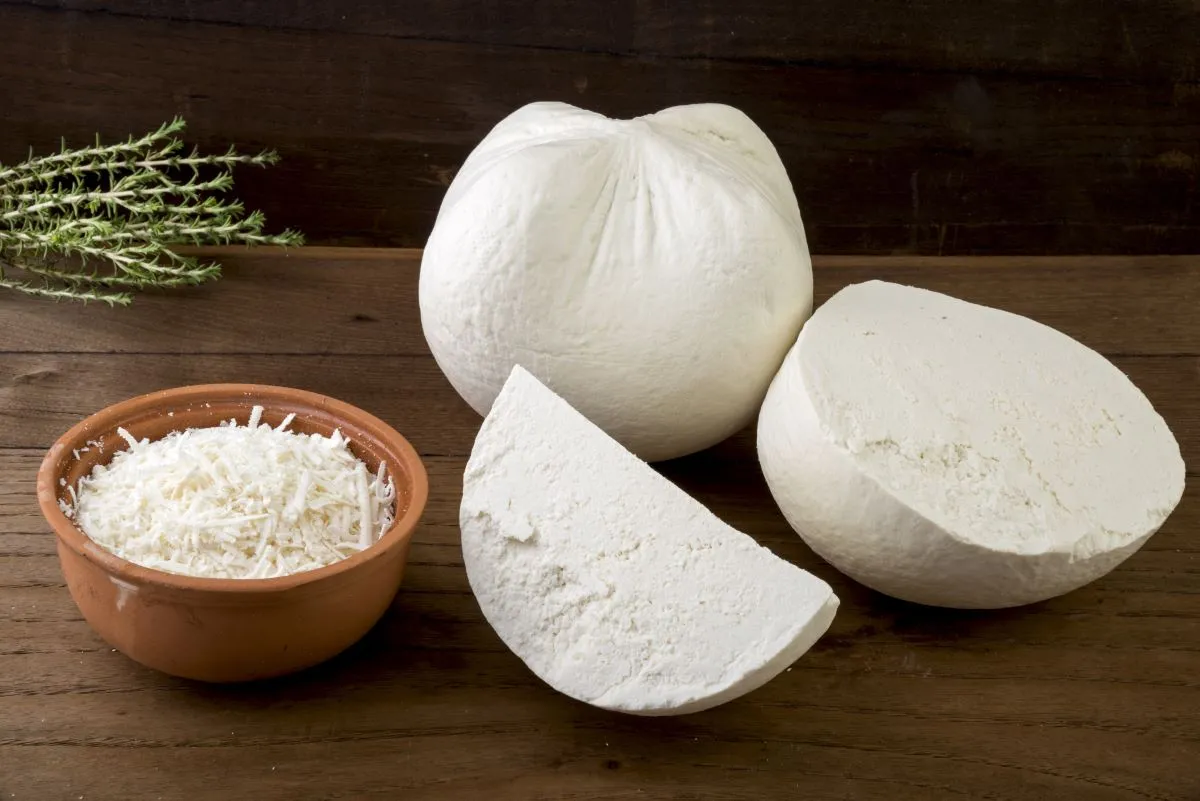
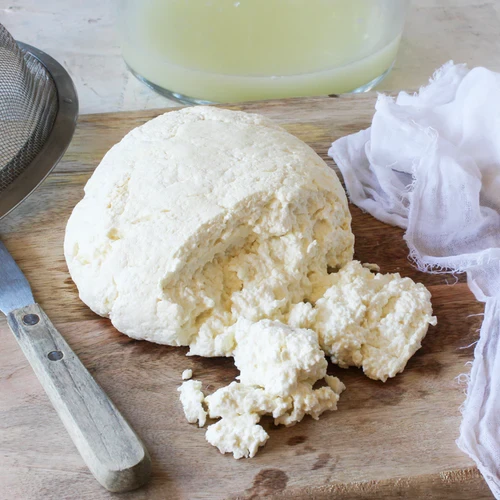
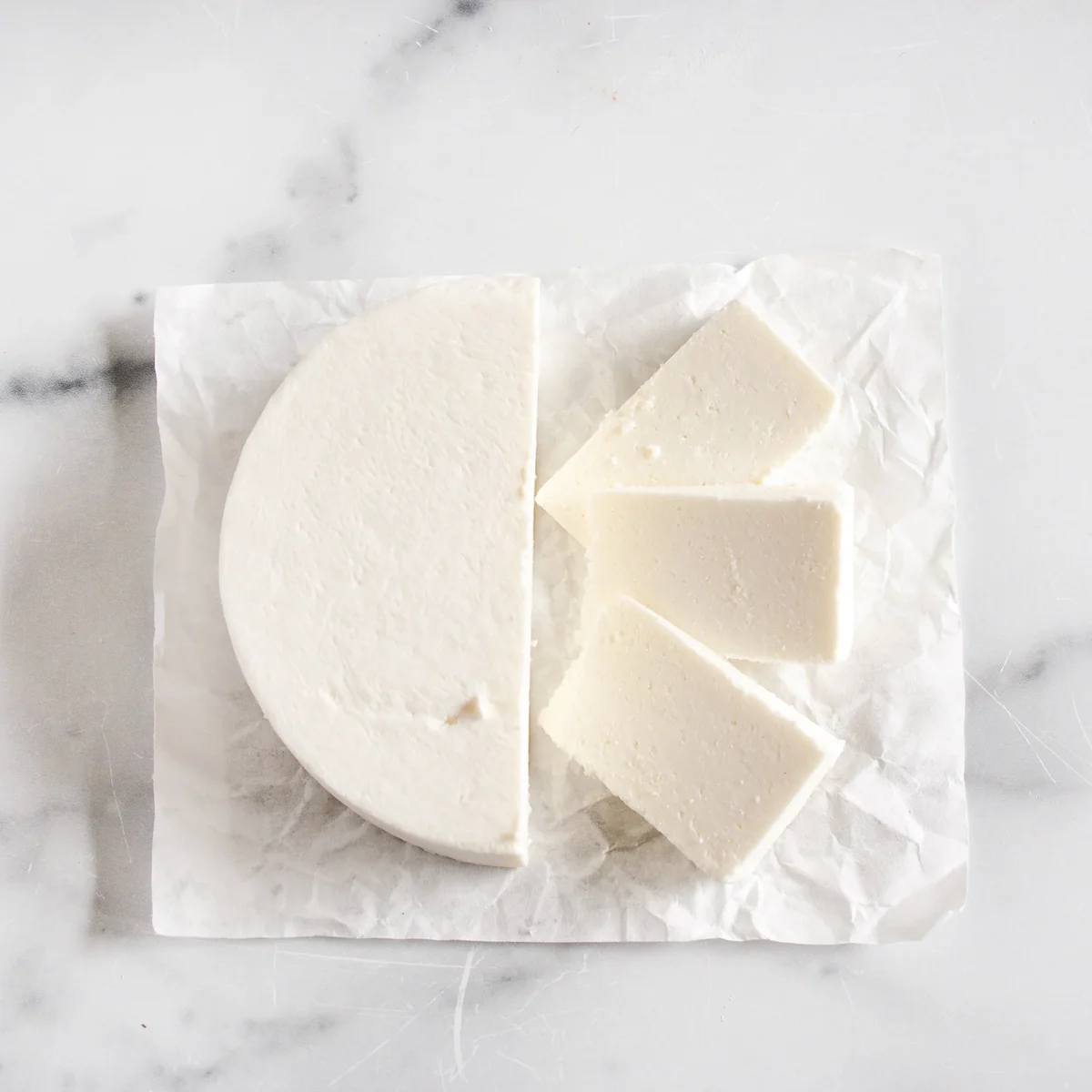
A fresh whey cheese from Macedonia and Thessaly in northern Greece, made by adding fresh sheep’s and goat’s milk cream to the whey left over from Feta or other sheep’s milk cheese production. The added cream elevates it from a simple whey cheese into a rich, luxurious product. Rindless and snow-white, it is sold in log or cylinder shapes.
Taste, aroma, and texture
Very soft, moist, and creamy throughout, with no rind and no eyes. It holds its shape when sliced but dissolves gently on the palate. Closer in feel to a rich ricotta or mascarpone than to a typical Greek cheese. Snow-white interior. Sold in log-shaped cylinders.
Lactic notes are strongly dominant — exceptionally fresh, clean, and milky, with a gentle cream sweetness. Fruity and animal notes remain faint. Earthy, herbal, and smoky notes are barely perceptible. One of the mildest-smelling PDO cheeses in Greece.
Cheesepedia taste profile
The values below are the structured baseline in the Cheesepedia app. Your personal match is calculated separately from your own taste profile.
A general profile can describe Manouri, but it cannot know how closely the cheese fits your preferences. Cheesepedia Premium compares this profile with your personal taste profile and lets you evaluate cheeses side by side.
See your personal matchHow to enjoy it
- Served with honey, fruit, or nuts.
- Used in cheesecakes, pastries, or sweet fillings.
- Added to salads, pies, or creamy spreads.
What pairs with Manouri?
Classic serving companions from the Cheesepedia catalog.
- Honey
- Walnut
- Fresh Fig
- Grape
- Thyme Honey
- Butter Cracker
Find the right wine in Cheesepedia
Cheesepedia uses an expert-designed algorithm that compares the cheese's taste, intensity, and production profile with the wine's body, acidity, tannin, and sweetness. Wine pairings are not generated by AI.
See wine pairings for ManouriStory and origin
Produced alongside Feta for centuries in Macedonia and Thessaly as a way to use whey that would otherwise be discarded. Adding cream to the whey was a local innovation that created a distinctly richer product. It is used in both sweet and savoury preparations across Greek cuisine. It has held PDO status since 1994, making it one of Greece’s earliest protected cheeses.
Storage and serving
- Store in the fridge, in brine or sealed packaging.
- Air travel: suitable only in leak-proof packaging.
Profile sources and methodology
This page uses the same curated record as the Cheesepedia mobile app. Production-style and designation references provide context; they do not imply endorsement of Cheesepedia.