What is Muş Eski Kaşarı?
A mature kaşar from Muş, made predominantly from sheep milk blended with cow and goat milk for balance. Hot-stretched in salted water, then aged for several weeks or months. The rich endemic alpine meadows of Muş support a distinct sheep-based dairy tradition, giving this kaşar a more assertive, full-bodied character than its Thracian counterparts.
Taste, aroma, and texture
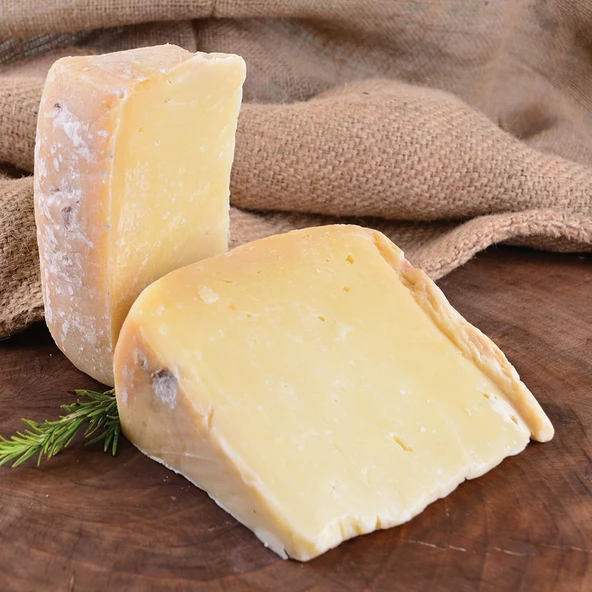
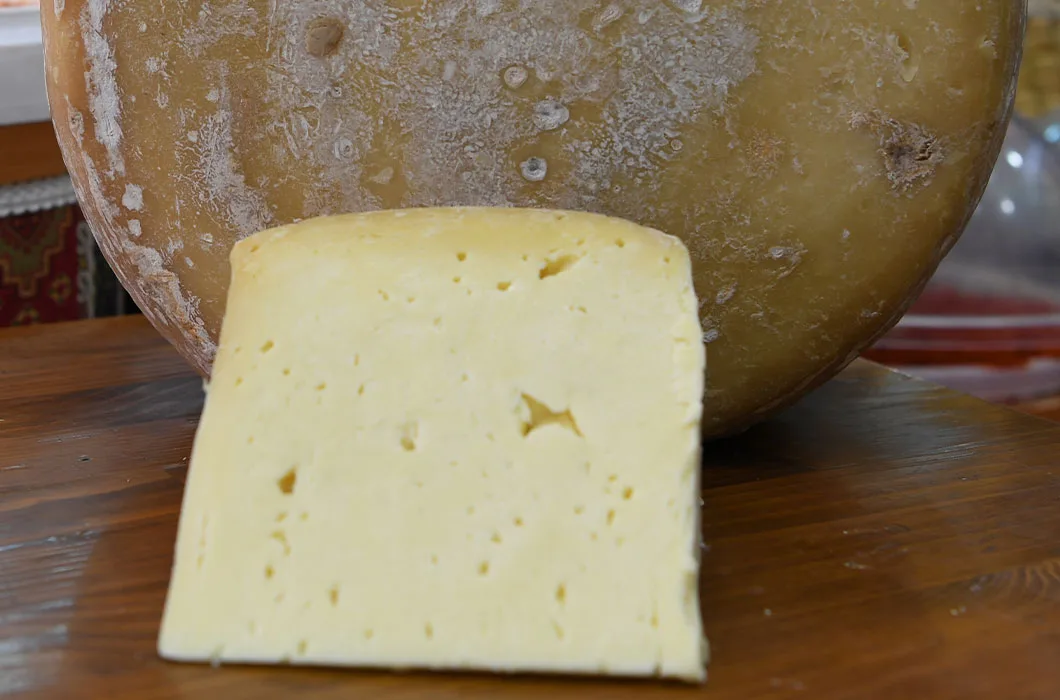
Firm, with a smooth cross-section. Slightly firm when young, compact and full-bodied after ageing. Rind darkens gradually. Straw-yellow to amber interior. Becomes drier and more granular with extended ageing.
Animal notes are dominant; rich sheep-milk character, full-bodied and warm. Earthy and herbal notes are equally strongly present. Lactic and fruity notes are present. No smoky character.
Cheesepedia taste profile
The values below are the structured baseline in the Cheesepedia app. Your personal match is calculated separately from your own taste profile.
A general profile can describe Muş Eski Kaşarı, but it cannot know how closely the cheese fits your preferences. Cheesepedia Premium compares this profile with your personal taste profile and lets you evaluate cheeses side by side.
See your personal matchHow to enjoy it
- Sliced into cheese boards, sandwiches, or breakfast plates.
- Grated over soups, pasta, or roasted vegetables.
- Melted into toasties, gratins, or baked potatoes.
What pairs with Muş Eski Kaşarı?
Classic serving companions from the Cheesepedia catalog.
- Grissini
- Salted Cracker
- Butter Cracker
- Whole Wheat Cracker
Find the right wine in Cheesepedia
Cheesepedia uses an expert-designed algorithm that compares the cheese's taste, intensity, and production profile with the wine's body, acidity, tannin, and sweetness. Wine pairings are not generated by AI.
See wine pairings for Muş Eski KaşarıStory and origin
Muş has a long tradition of sheep-based dairy production, supported by its rich endemic alpine meadows. The eski kaşar production method reflects Kars Kaşarı techniques introduced to the region in the early 20th century. Registered as a geographical indication in Turkey.
Storage and serving
- Store in the fridge, wrapped or vacuum-packed.
- Air travel: suitable, especially if vacuum-packed.
Profile sources and methodology
This page uses the same curated record as the Cheesepedia mobile app. Production-style and designation references provide context; they do not imply endorsement of Cheesepedia.