What is Bezde Tulum Peyniri?
A tulum-style cheese aged in breathable cloth bags rather than animal skins, produced across western Anatolia and the Aegean region from sheep and/or goat milk. The cloth allows gradual moisture loss without the strong animal notes of skin-aged tulum, resulting in a cleaner and milder profile. A traditional style with no official geographical indication status.
Taste, aroma, and texture
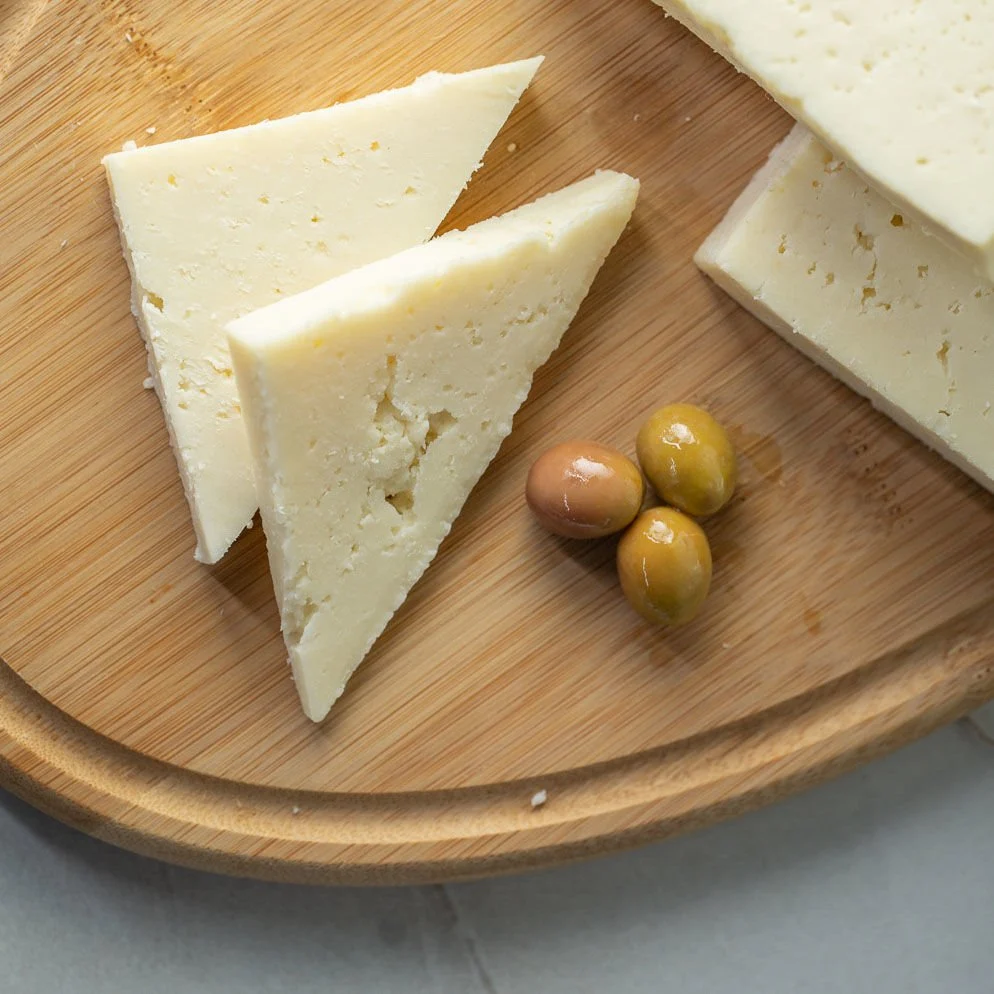
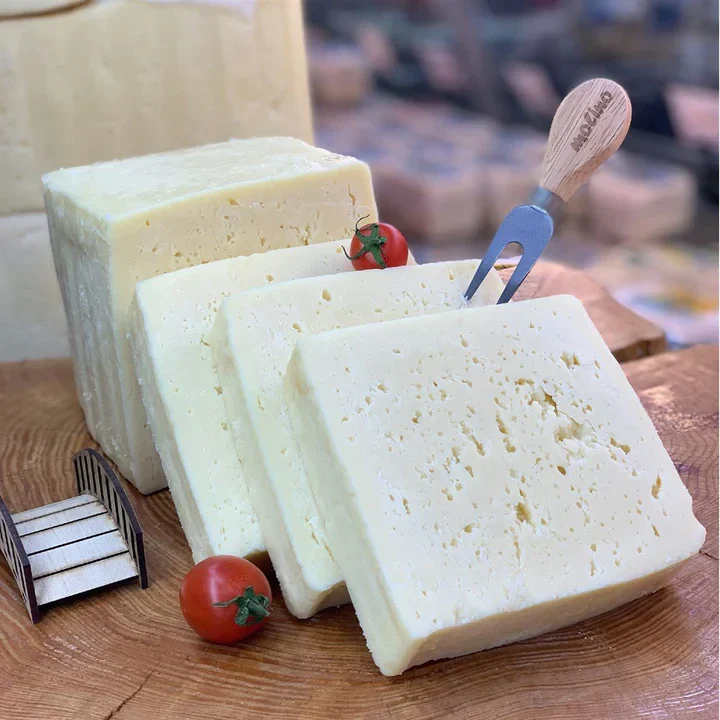
Smooth, dense, and non-porous, with a semi-hard structure that gives a clean, sharp cut. More uniform and less rustic in appearance than skin-aged tulum. The interior ranges from pale white to ivory.
Earthy, herbal, and animal notes are equally dominant, but the profile is cleaner than skin-aged tulum and lacks the strong goat-skin character. Lactic and fruity notes are present. No smoky character.
Cheesepedia taste profile
The values below are the structured baseline in the Cheesepedia app. Your personal match is calculated separately from your own taste profile.
A general profile can describe Bezde Tulum Peyniri, but it cannot know how closely the cheese fits your preferences. Cheesepedia Premium compares this profile with your personal taste profile and lets you evaluate cheeses side by side.
See your personal matchHow to enjoy it
- Served in slices or chunks on cheese plates.
- Crumbled over salads, eggs, or warm vegetables.
- Used in pastries, breakfast spreads, or simple fillings.
What pairs with Bezde Tulum Peyniri?
Classic serving companions from the Cheesepedia catalog.
- Butter Cracker
- Grissini
- Mini Sesame Bagel
- Lavash Chips
- Whole Wheat Cracker
Find the right wine in Cheesepedia
Cheesepedia uses an expert-designed algorithm that compares the cheese's taste, intensity, and production profile with the wine's body, acidity, tannin, and sweetness. Wine pairings are not generated by AI.
See wine pairings for Bezde Tulum PeyniriStory and origin
Produced across various regions of Turkey, cloth-bag ageing developed as an alternative to goat-skin tulum. The bez, or cloth, technique is especially common in western Anatolia, where producers sought a less pungent and more commercially accessible tulum style. No official geographical indication.
Storage and serving
- Store in the fridge, wrapped or vacuum-packed.
- Air travel: suitable, especially if vacuum-packed.
Profile sources and methodology
This page uses the same curated record as the Cheesepedia mobile app. Production-style and designation references provide context; they do not imply endorsement of Cheesepedia.