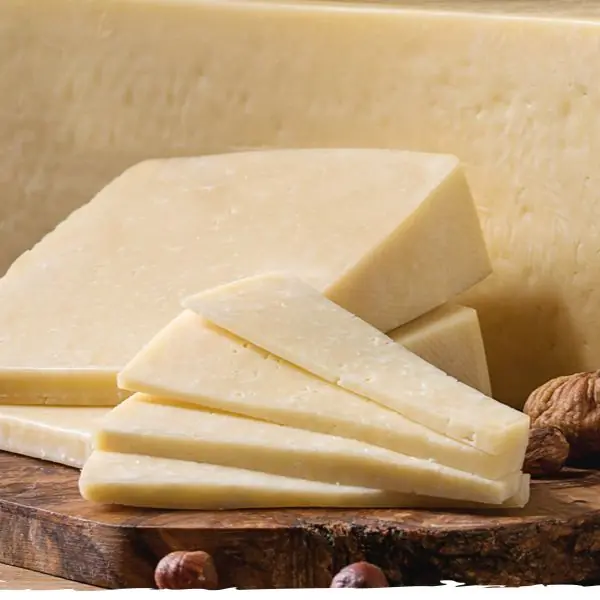
What is Kefalograviera?
A robust hard cheese from Western Macedonia and Epirus, made from sheep’s milk or a mixture with goat’s milk. Aged for a minimum of 3 months. Its character sits between Kefalotyri and Graviera, combining the salty sharpness of the former with some of the sweetness and fruitiness of the latter.
Taste, aroma, and texture
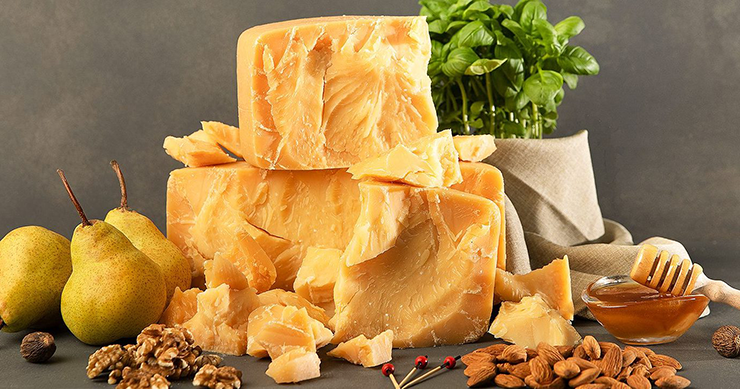
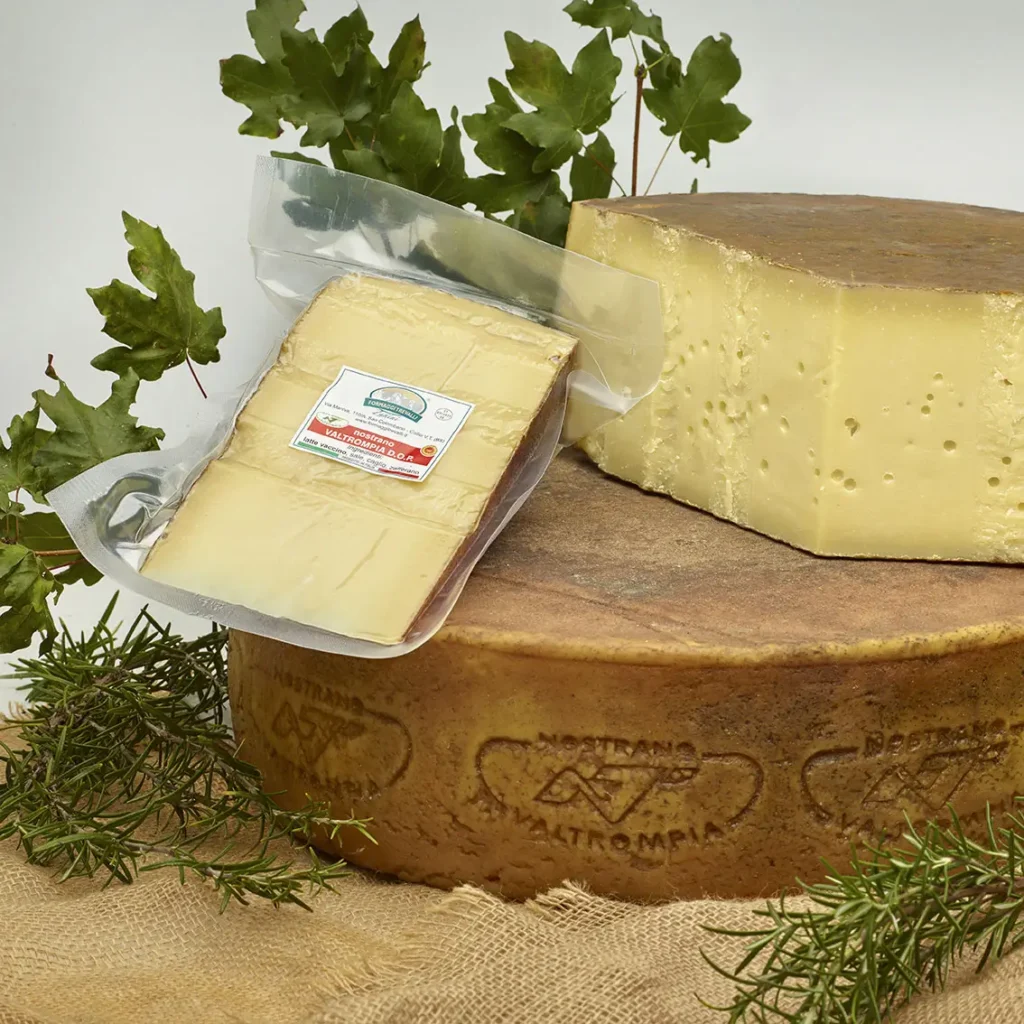
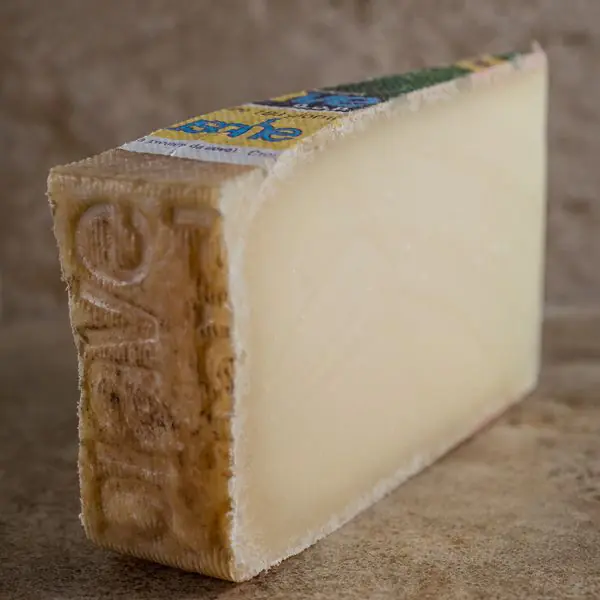
Firm and slightly flaky, denser than Graviera with a drier mouthfeel. The paste ranges from ivory to pale yellow and contains small, scattered irregular holes. The rind is hard and golden-brown. Crystalline granules may develop with extended ageing. Excellent for grating and saganaki.
Lactic, fruity, earthy, and animal notes are all equally present, creating a balanced profile that reflects its Kefalotyri-Graviera heritage. Herbal notes remain faint. No smoky character.
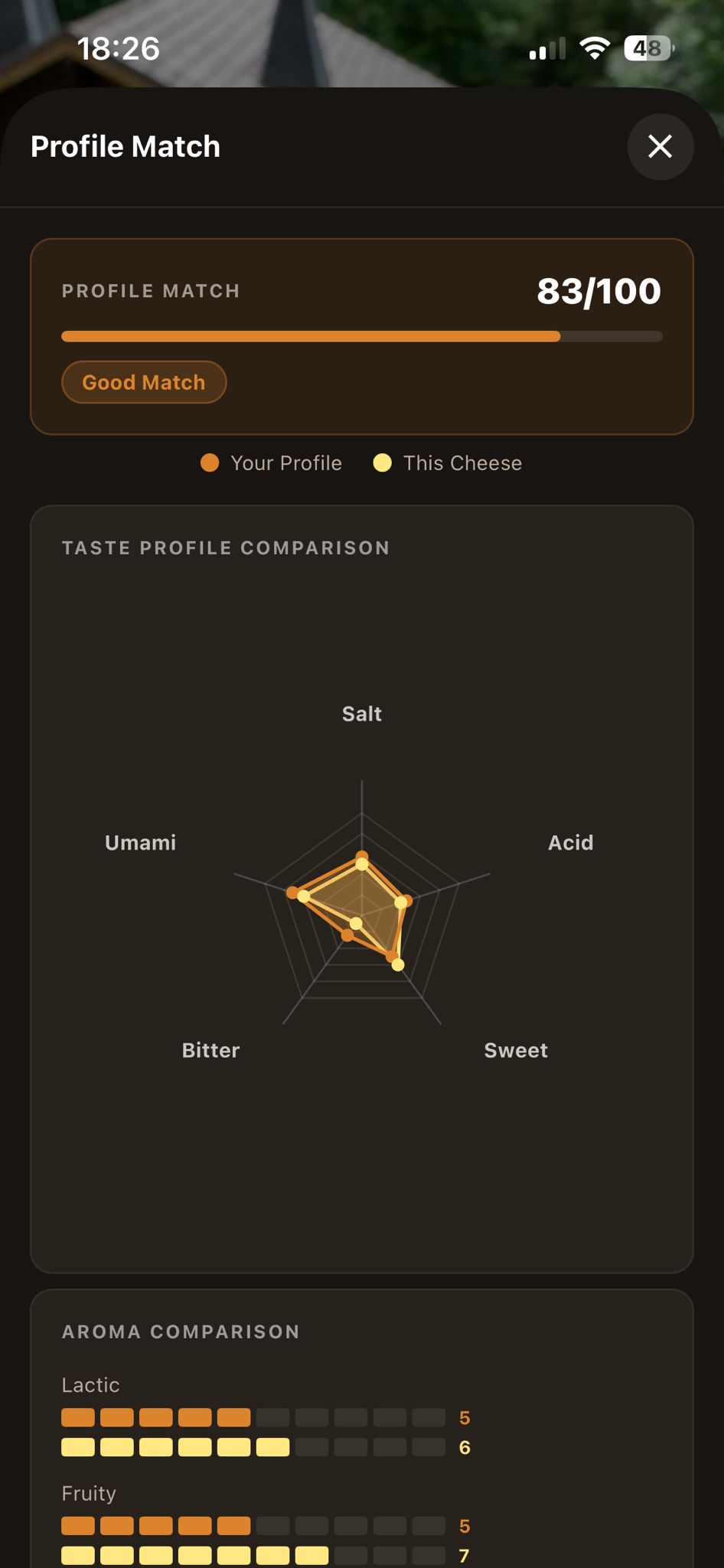
Cheesepedia taste profile
The values below are the structured baseline in the Cheesepedia app. Your personal match is calculated separately from your own taste profile.
A general profile can describe Kefalograviera, but it cannot know how closely the cheese fits your preferences. Cheesepedia Premium compares this profile with your personal taste profile and lets you evaluate cheeses side by side.
See your personal matchHow to enjoy it
- Fried as saganaki for a firm, salty bite.
- Grated over pasta, soups, or baked vegetables.
- Served in slices with olives, bread, or cured meats.
What pairs with Kefalograviera?
Classic serving companions from the Cheesepedia catalog.
- Salted Cracker
- Olives
- Sun-Dried Tomato
- Butter Cracker
- Breadstick
- Walnut
Find the right wine in Cheesepedia
Cheesepedia uses an expert-designed algorithm that compares the cheese's taste, intensity, and production profile with the wine's body, acidity, tannin, and sweetness. Wine pairings are not generated by AI.
See wine pairings for KefalogravieraStory and origin
The name Kefalograviera reflects its dual heritage: the saltiness and sharpness of Kefalotyri combined with the sweetness of Graviera. Developed in the mountains of Northern Greece, where both traditions coexisted. It has held PDO status since 1996, cementing its identity as a distinct Greek cheese.
Storage and serving
- Store in the fridge, wrapped or vacuum-packed.
- Air travel: suitable, especially if vacuum-packed.
Profile sources and methodology
This page uses the same curated record as the Cheesepedia mobile app. Production-style and designation references provide context; they do not imply endorsement of Cheesepedia.