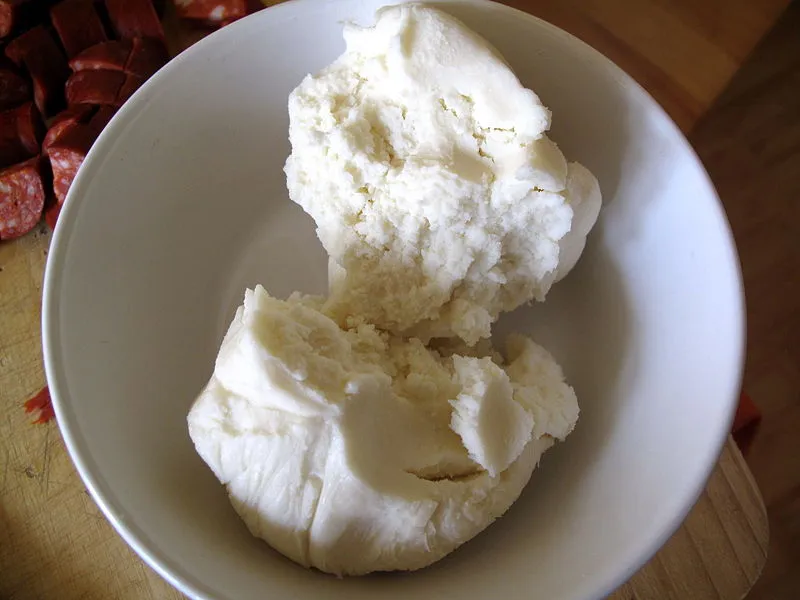
What is Bryndza Podhalańska?
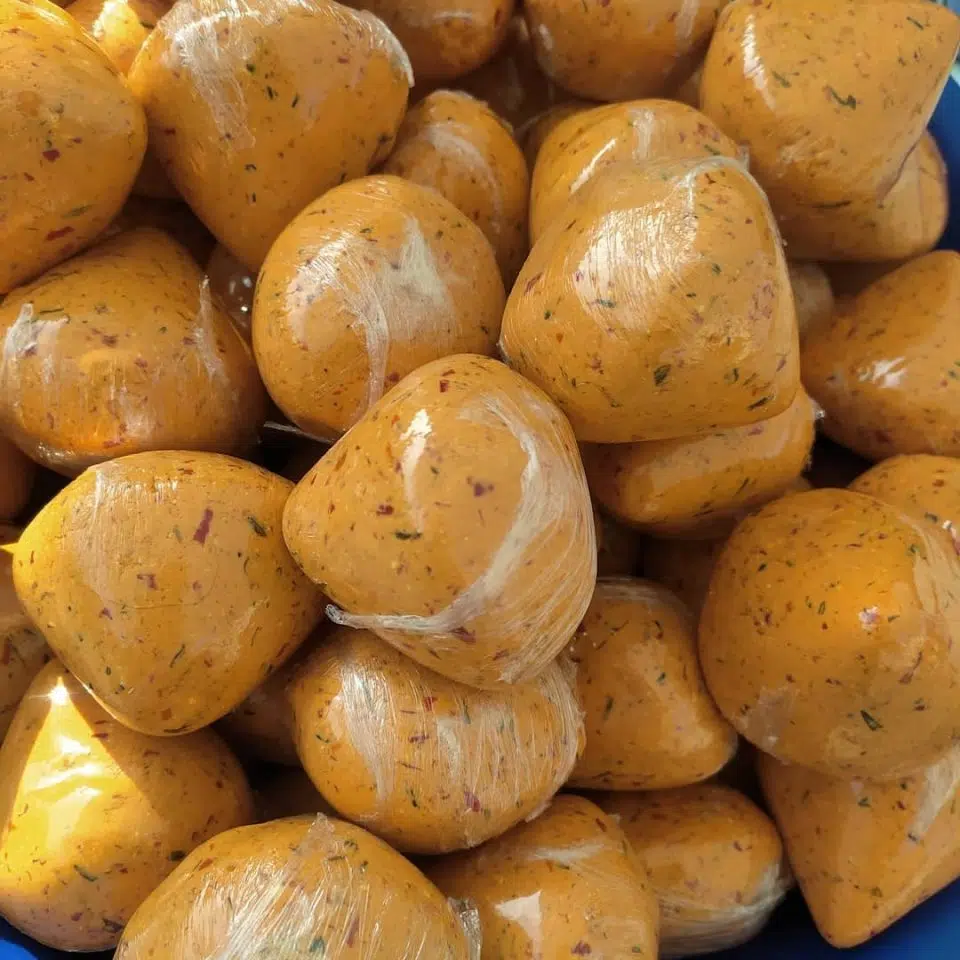
Poland’s first EU PDO product: a seasonal soft sheep’s milk cheese produced exclusively between May and September in the Podhale region of the Tatra Mountains. Made primarily from the milk of Polish Mountain Sheep. Spreadable and tangy, with a characteristic sharp lactic fermentation. Available plain or with caraway.
Taste, aroma, and texture
Texture
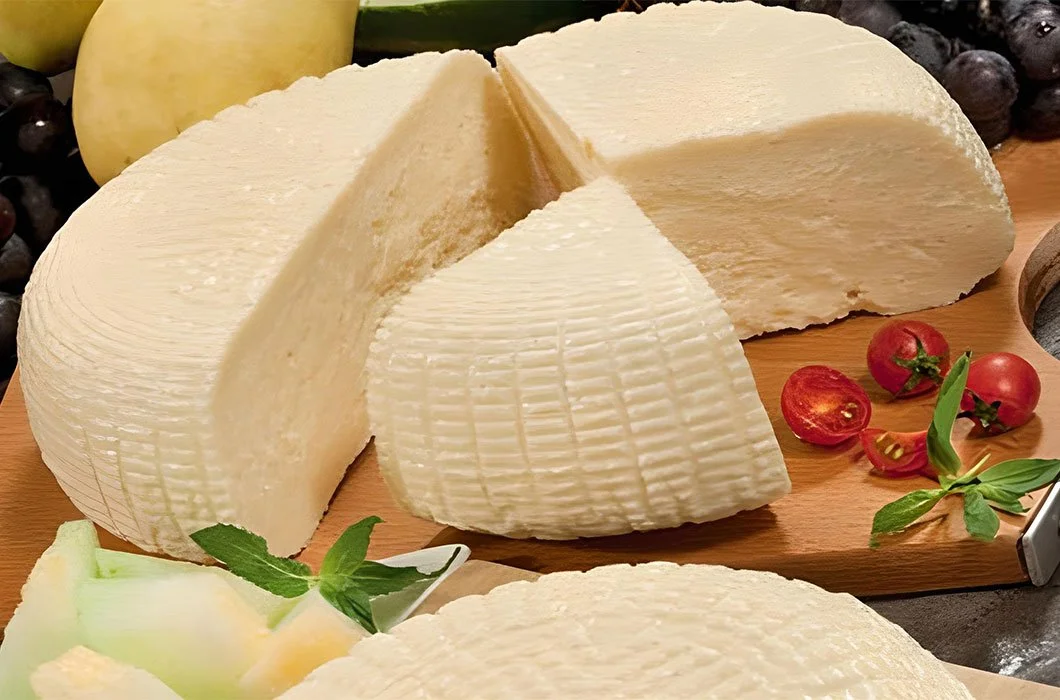
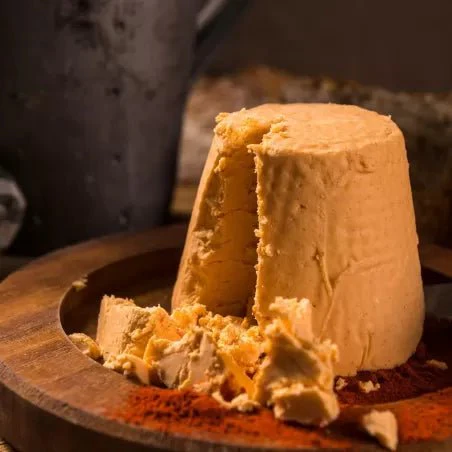
Soft, smooth, and easily spreadable, with a consistent paste that may occasionally be slightly grainy. White to pale ivory in colour. No rind. Texture varies by producer: some versions are moister and more spreadable, while others are drier and slightly crumbly.
Aroma
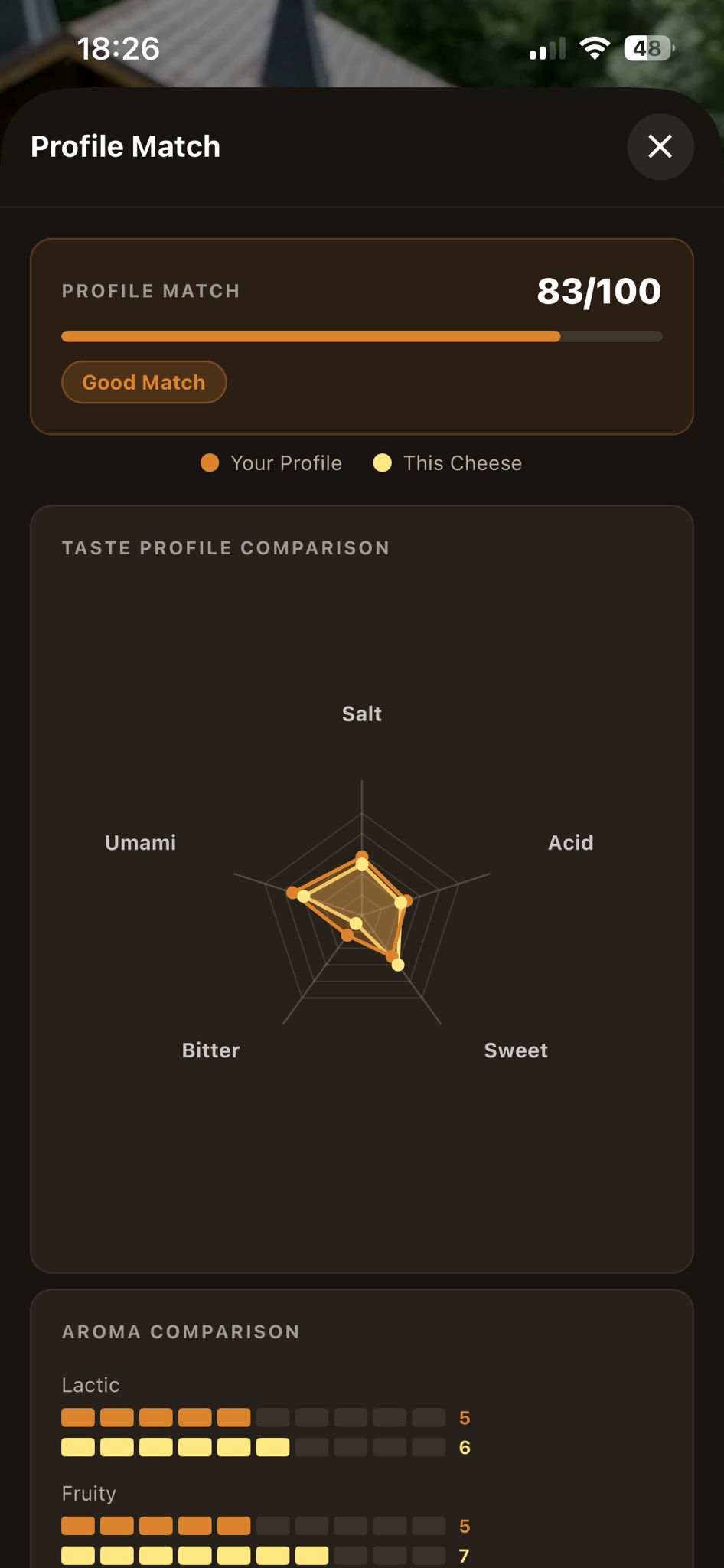
Animal and lactic notes are equally dominant. Earthy and herbal notes are equally noticeable, shaped by the high-altitude Tatra pastures. Fruity notes remain faint. No smoky character.
Cheesepedia taste profile
These values are the structured baseline in the Cheesepedia app. Your personal match is calculated separately from your own taste profile.
How to enjoy it
- 01
Spread on bread, toast, or savoury pancakes.
- 02
Used as a filling for pierogi, dumplings, or pastries.
- 03
Added to potato dishes, salads, or rustic spreads.
What pairs with Bryndza Podhalańska?
Classic serving companions from the Cheesepedia catalog.
- Salted Cracker
- Grissini
- Butter Cracker
- Whole Wheat Cracker
- Sesame Cracker
Story and origin
Written records of bryndza in the Podhale region date back to 1527. The cheese was so highly valued that it was used as currency and for paying land taxes. The highland shepherd cheesemaking tradition, known as the baca system, has been preserved for centuries. It has held PDO status since 2007 and was Poland’s first EU PDO product.
Storage and serving
- Store in the fridge, sealed or in an airtight container.
- Air travel: not ideal; suitable only if sealed and kept cool.
Profile sources and methodology
This page uses the same curated record as the Cheesepedia mobile app. Production-style and designation references provide context; they do not imply endorsement of Cheesepedia.