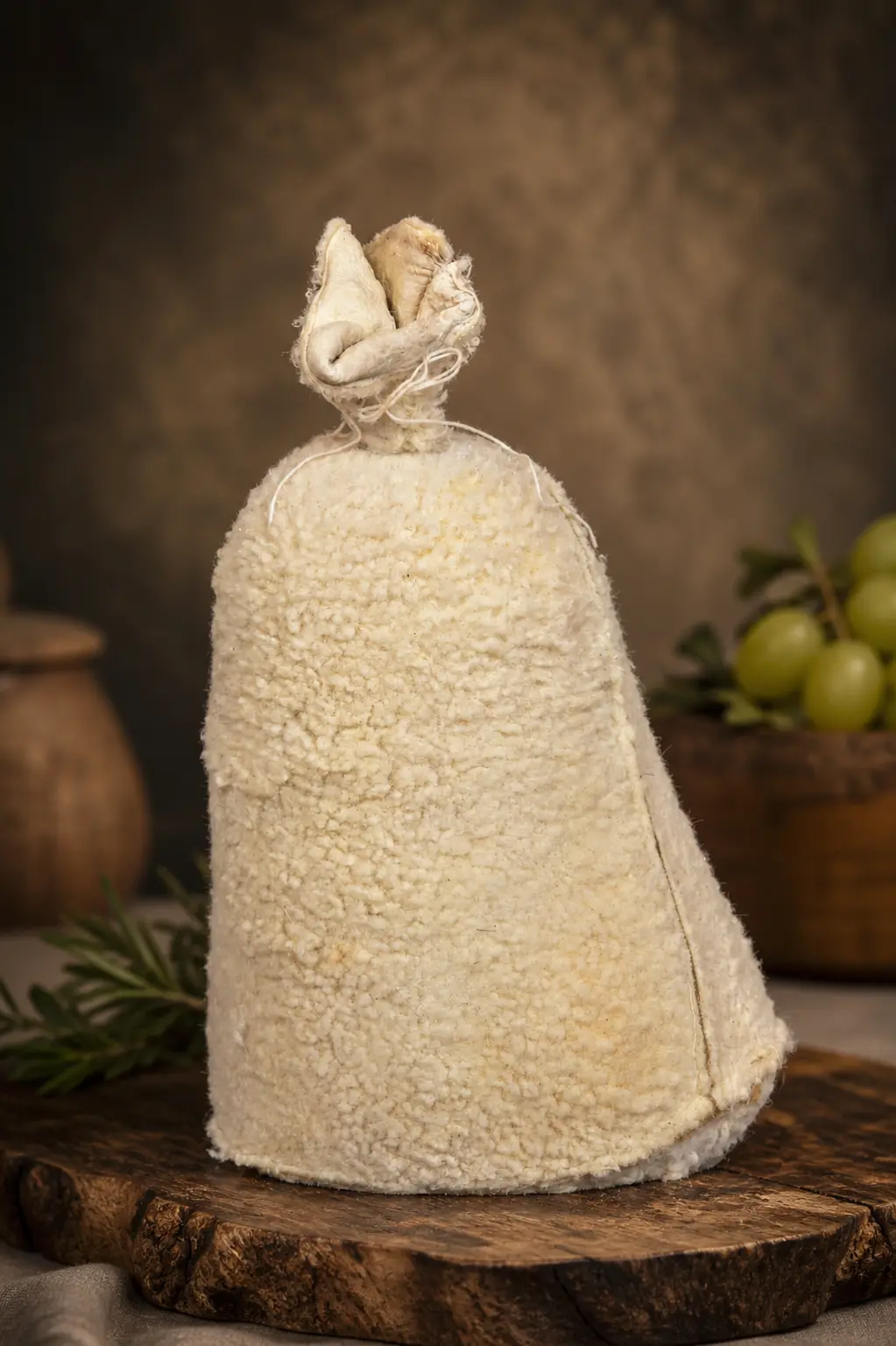
What is Atlantı Dededağ Tulum Peyniri?
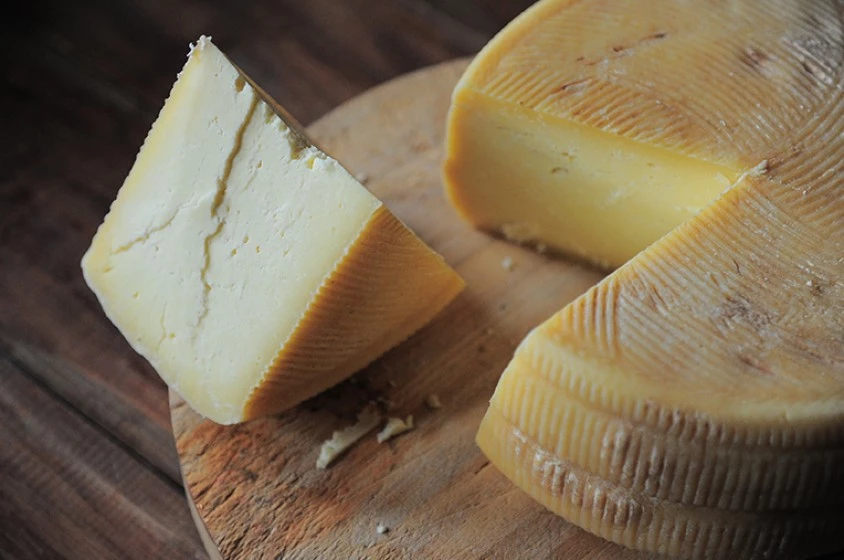
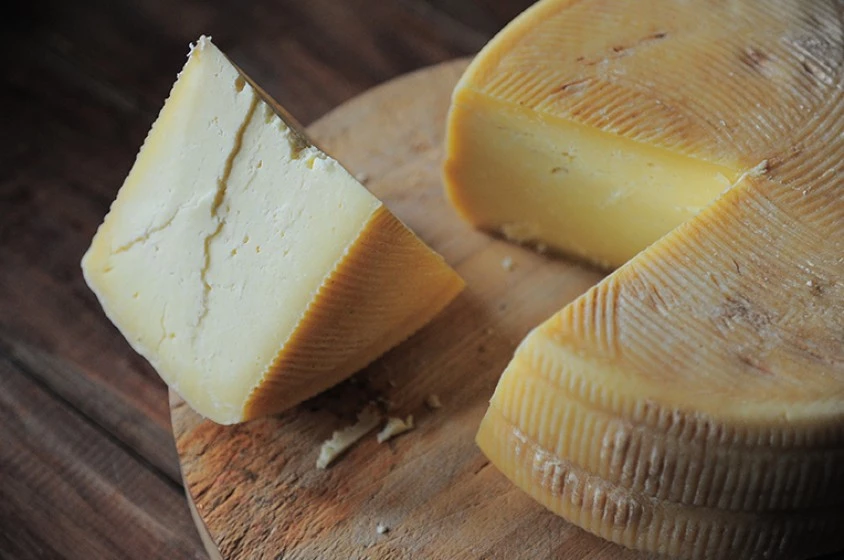
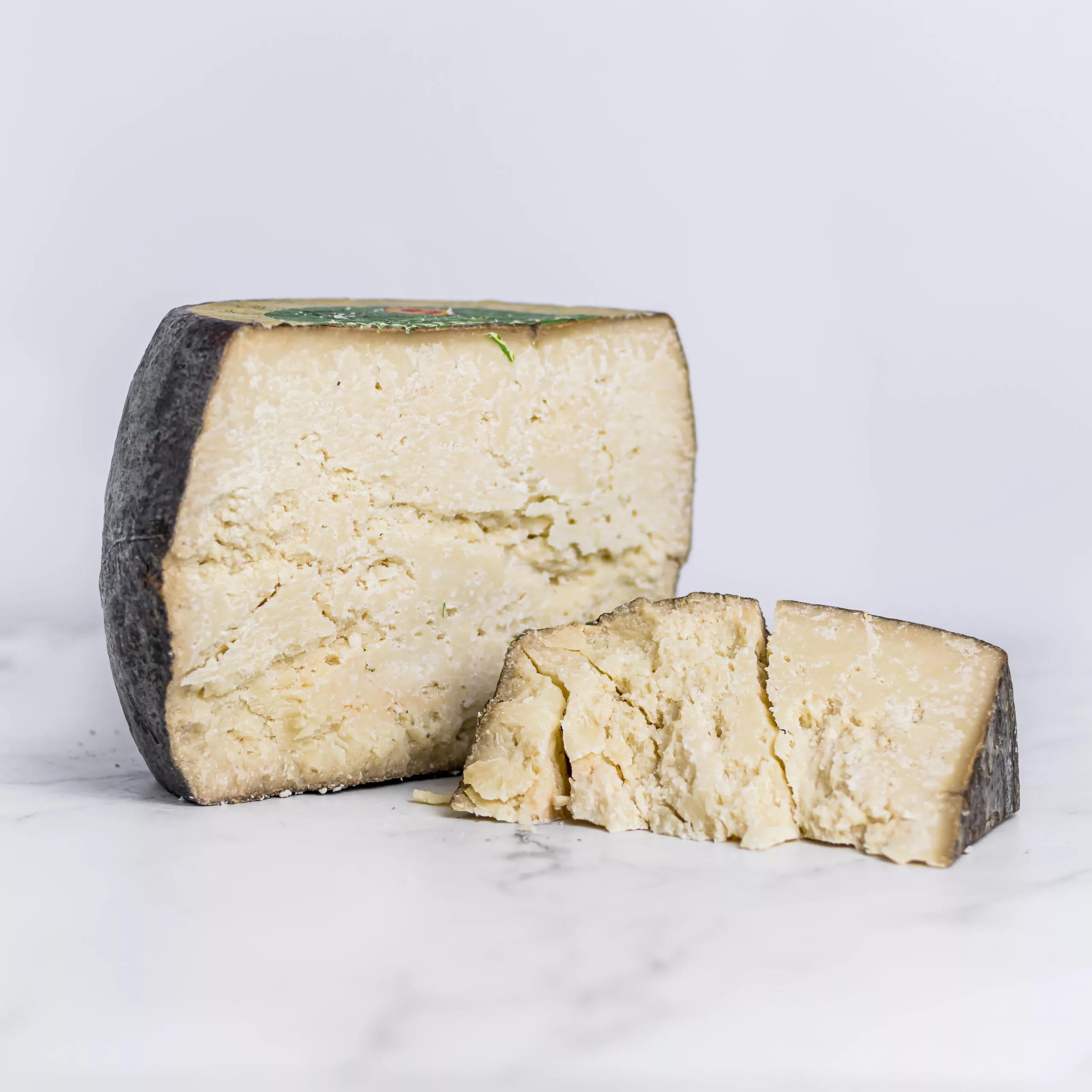
A tulum cheese from Atlantı village in Konya’s Kadınhanı district, made exclusively from raw sheep’s milk collected between 15 April and 15 June. A high-temperature scalding step creates a fibrous, layered cross-section. The cheese is pressed into goat or lamb skin vessels for ageing. When mature, it develops a saffron-yellow colour.
Taste, aroma, and texture
Texture
Fibrous and layered from high-temperature scalding. It is firm just beneath the skin and softens 3–4 cm inward. The colour is saffron yellow. At full maturity, it becomes dense and crumbly.
Aroma
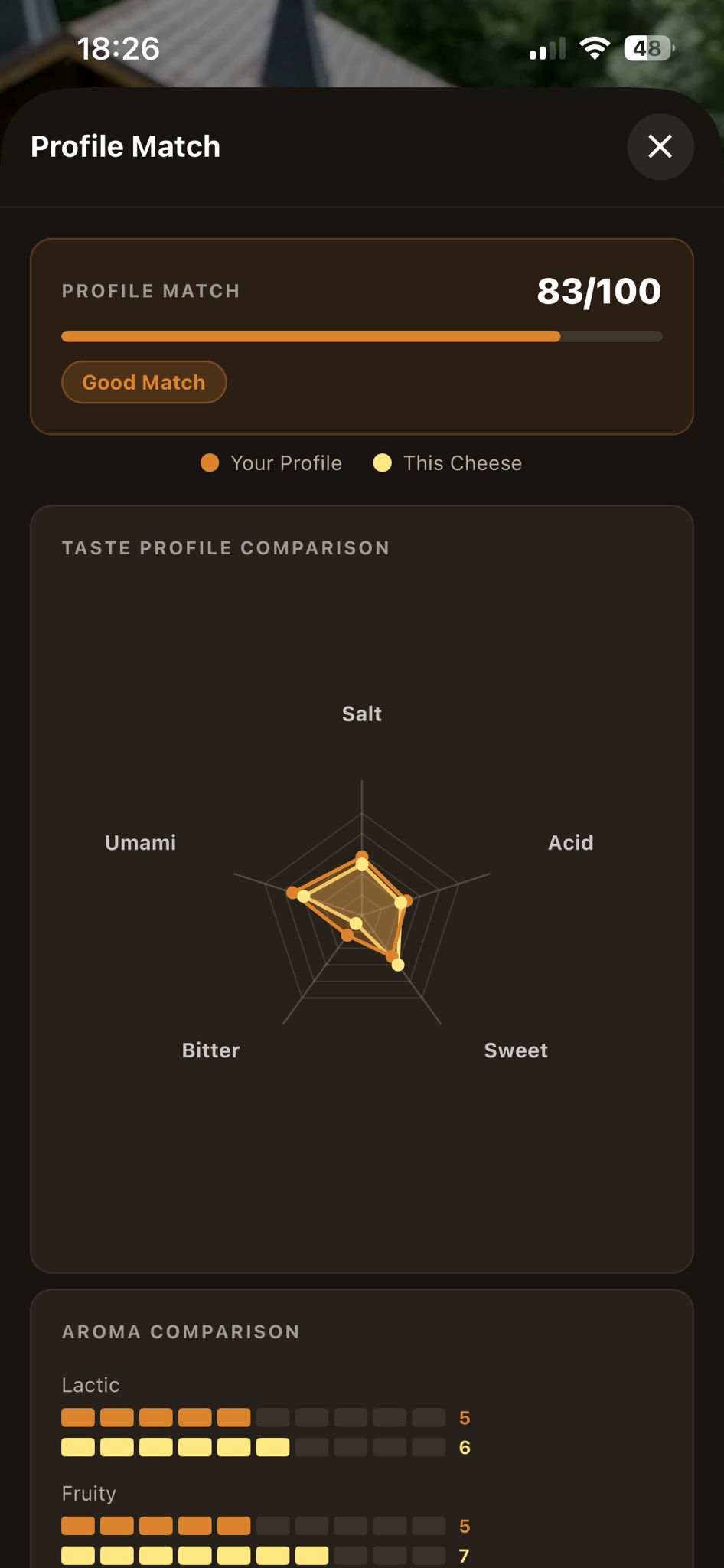
Animal notes are dominant; scalding and skin-vessel ageing bring concentrated cooked-milk and tulum character. Earthy and herbal notes are equally strongly present. Lactic and fruity notes are present. No smoky character.
Cheesepedia taste profile
These values are the structured baseline in the Cheesepedia app. Your personal match is calculated separately from your own taste profile.
How to enjoy it
- 01
Served in small pieces on rustic cheese plates.
- 02
Crumbled over flatbreads, salads, or warm potatoes.
- 03
Used in savoury pastries or village-style breakfast dishes.
What pairs with Atlantı Dededağ Tulum Peyniri?
Classic serving companions from the Cheesepedia catalog.
- Salted Cracker
- Mini Simit
- Rusks
- Lavash Chips
- Stick Cracker
Story and origin
The cheese takes its name from the Atlantı Plain and the nearby Dede Mountain. The milk comes from sheep grazing on highland pastures between Atlantı and Dede Mountain during the mid-April to mid-June window. Production follows the seasonal highland migration calendar of the Kadınhanı plateau. Registered as a geographical indication in Turkey.
Storage and serving
- Store in the fridge, wrapped or vacuum-packed.
- Air travel: suitable, especially if vacuum-packed.
Profile sources and methodology
This page uses the same curated record as the Cheesepedia mobile app. Production-style and designation references provide context; they do not imply endorsement of Cheesepedia.